multiple trades. one team.

one standard of accountability.

CR Meyer self-performs the critical trades that most industrial contractors subcontract out. That's not a minor distinction; it's the difference between a contractor who manages other people's work and one who controls it directly.
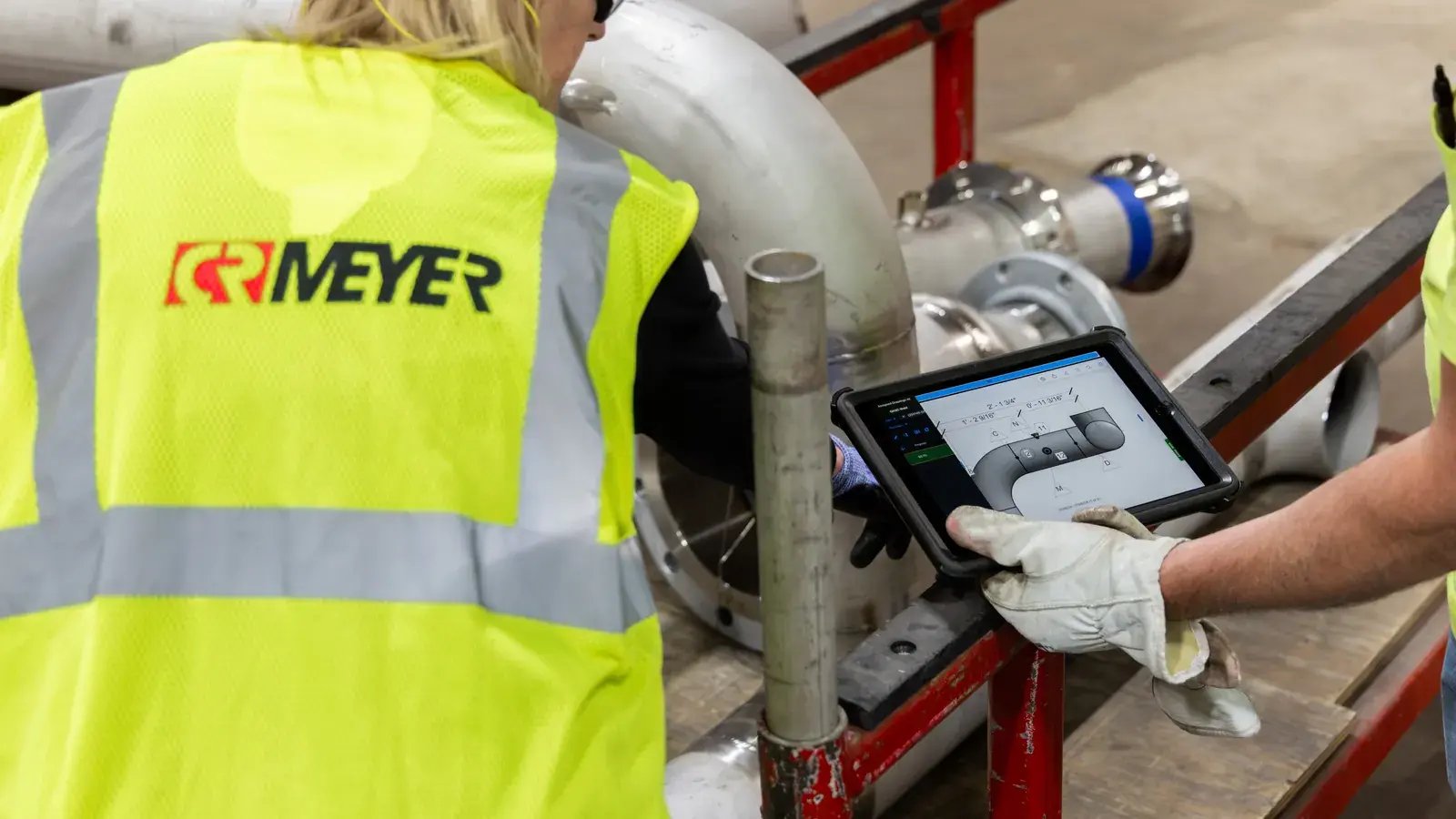
worker using tablet 3d model industrial piping

Why It Matters Who's Actually Doing the Work

A contractor who lists 12 services and subcontracts all of them is not the same as CR Meyer. The difference isn't the list — it's who shows up to do the work.

For owners managing complex industrial projects, that means:

For owners managing complex industrial projects where multiple trades run simultaneously, that distinction isn't incidental. It's the reason CR Meyer's clients keep coming back.

The Trades CR Meyer Self-Performs — and Why Each One Matters

See how these trades apply in your industry:

A Track Record That Backs Up the Breadth

CR Meyer has been self-performing critical industrial trades for more than 135 years. That experience is reflected in our ENR rankings — consistently in the Top 400 Contractors nationally, top 10 industrial contractors, and top in pulp and paper — and in the long-term relationships with clients who trust us with their most demanding projects.

"I want to send a sincere thank you to all CR Meyer's people for the success of the project. The craftsmen were very skilled, had excellent work ethics, and all worked toward a common goal." 

Paper INDUSTRY CUSTOMER
What trades does CR Meyer self-perform on industrial projects?
CR Meyer self-performs millwrighting, piping and pipe fabrication, ironwork, electrical, concrete, masonry, carpentry, demolition, pile driving, precision machinery alignment, and boiler services. Each trade is staffed by CR Meyer's own workforce, not subcontractors, across projects of varying scale and complexity.
Why does it matter whether a contractor self-performs trades?
When a contractor subcontracts trade work, control over quality, safety, and schedule goes with it. Accountability becomes distributed across multiple organizations, and coordination depends on communication between teams that have separate priorities. Self-performing contractors keep that control in-house, which produces more consistent outcomes and gives owners a single point of accountability for the full scope.
How does CR Meyer coordinate multiple trades on the same project?
When CR Meyer self-performs multiple trades on the same project, sequencing and coordination decisions are made within one project team rather than negotiated between separate contractors. That means conflicts get resolved faster, adjustments are made in real time, and the owner isn't managing the interface between trades; CR Meyer is.
Does CR Meyer use subcontractors for any of its trades?
CR Meyer's model is built on self-performing the critical trades. For highly specialized or incidental scopes outside their core capabilities, subcontractors may be used, but the 12 trades CR Meyer self-performs are staffed by their own workforce on every project.
What is the advantage of having pipe fabrication and piping installation under one contractor?
When fabrication and installation are managed separately, the shop and field operate on different information. Dimensions get confirmed late, components arrive that don't match field conditions, and rework follows. When CR Meyer fabricates and installs, the same organization manages both, which means field realities shape fabrication decisions before pipe is cut rather than after it's delivered.

Looking for a Contractor Who Controls the Work?

Let's talk about your project scope and which of our trades are most relevant to what you're planning.

Whether you need one trade or many, CR Meyer brings its own craftspeople — and its own accountability — to every scope. Tell us about your project and we'll connect you with the right expertise.