Demolition Expertise

Demolition Done with the Planning It Actually Requires

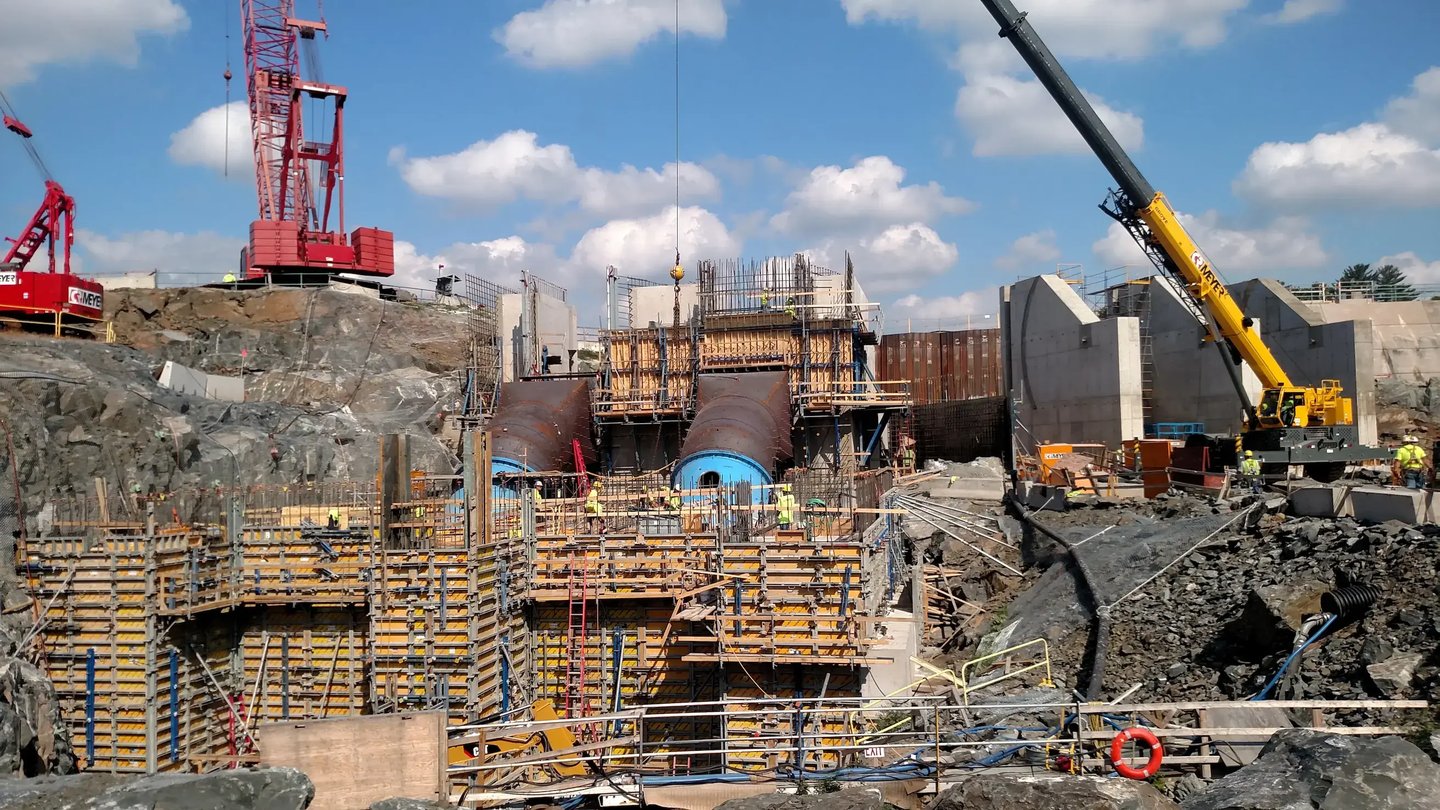
Demolition is where many projects start — and where many projects go wrong. In active industrial facilities, removal work isn't just about what comes down; it's about protecting what stays up, keeping adjacent operations running, and setting up the installation phases that follow. We approach demolition the same way we approach everything else: with discipline, coordination, and a clear plan before work begins.

The Demolition Work We Do — and How It Sets Up Every Phase That Follows

Industrial demolition is high-risk work by definition. It involves removing structures and equipment connected to live systems, adjacent to operating assets, or embedded in facilities that cannot afford unplanned disruption. Doing it right requires tradespeople who understand the industrial environment they're working in and project leadership that plans for what comes after the teardown.

CR Meyer's demolition capabilities include:

Done well, demolition accelerates what follows. Done poorly, it creates hazards, schedule impacts, and conditions other trades have to work around for the rest of the job. CR Meyer's crews treat demolition as a project phase, not a starting gun — covering safety risks, utility isolation, structural assessment, sequencing, and protection of adjacent operations before work begins.

Demolition That Sets Up the Rest of the Project

How demolition is executed determines the conditions every trade walks into next.

The structures and equipment that come down have to make room for what goes in next. When demolition is handled by a subcontractor working independently, site conditions don't always match what the next trade expected — and accountability for what was left behind is unclear.


CR Meyer performs demolition with its own workforce — the same self-perform model that governs our ironwork, concrete, and millwrighting. The team removing the old equipment is coordinated with the team installing the new one. Sequencing decisions are made within a single project team. The conditions the next scope walks into are the conditions CR Meyer is accountable for.


What this means for your project:

What gets removed defines what's possible for everything that follows. Demolition scoped separately from the construction work coming after it tends to produce surprises: structural conditions that weren't anticipated, timelines that don't line up, coordination that happens too late to matter. CR Meyer plans removal and construction as a single workflow, which keeps the project moving in the right direction from day one.

Industries Where Demolition Is Most Critical

Demolition Work That Made the Next Phase Possible

Removal work is only as good as what it leaves behind. These projects show how CR Meyer's approach to demolition set up the installation phases that followed.

What types of industrial demolition does CR Meyer perform?
CR Meyer performs selective demolition, equipment removal, structural teardown, and site preparation for retrofits, expansions, and modernization projects. Work is executed in active facilities, during planned outages, and as part of larger multi-trade projects where demolition is the first phase of an installation scope. CR Meyer coordinates utility isolation and structural sequencing before any removal work begins.
Does CR Meyer perform demolition in operating facilities?
Yes. CR Meyer's crews are experienced in selective demolition within facilities that remain in operation during the work. Planning includes hazard identification, adjacent operation protection, utility isolation, and sequencing that ensures removal work doesn't create unplanned disruptions to production systems running nearby.
How does CR Meyer coordinate demolition with the installation phases that follow?
Because CR Meyer self-performs both demolition and the installation trades that follow — millwrighting, ironwork, concrete, piping — the team removing old equipment is coordinated with the team installing what replaces it. Sequencing decisions are made within a single project team, and the site conditions the next scope walks into are conditions CR Meyer is directly accountable for.
Does CR Meyer handle abatement as part of demolition projects?
Where hazardous materials require abatement prior to demolition, CR Meyer coordinates with licensed abatement contractors and verifies that abatement is complete before demolition work begins. CR Meyer does not self-perform hazardous material abatement but manages the sequencing to ensure it doesn't create schedule gaps for the demolition and installation phases.
How does CR Meyer approach safety planning for demolition scopes?
Demolition safety planning starts before any work begins — structural assessment, utility isolation, adjacent operation protection, and sequencing relative to work happening nearby. Site-specific hazards are identified before crews mobilize, and control measures are built into the schedule rather than added once work is underway. Because CR Meyer self-performs the trades that follow demolition, the team accountable for the teardown carries that same safety planning into the phases that come next.

Planning a Project That Starts with Demolition?

Let's talk about the scope, the constraints, and how CR Meyer can execute the removal work safely — and set up everything that follows.

Whether you're removing aging equipment to make room for new installations, preparing a facility for a major expansion, or managing selective demolition in an active plant, CR Meyer has the crews and the project experience to handle it. Tell us about your project and we'll put the right team together.