Safety Isn't a Policy at CR Meyer. It's How We Work.

When a contractor's safety culture falls short, the consequences don't stay contained to the incident. They show up in your project schedule, your facility liability, your regulatory exposure, and your people. CR Meyer's approach to safety is built to protect all of it.
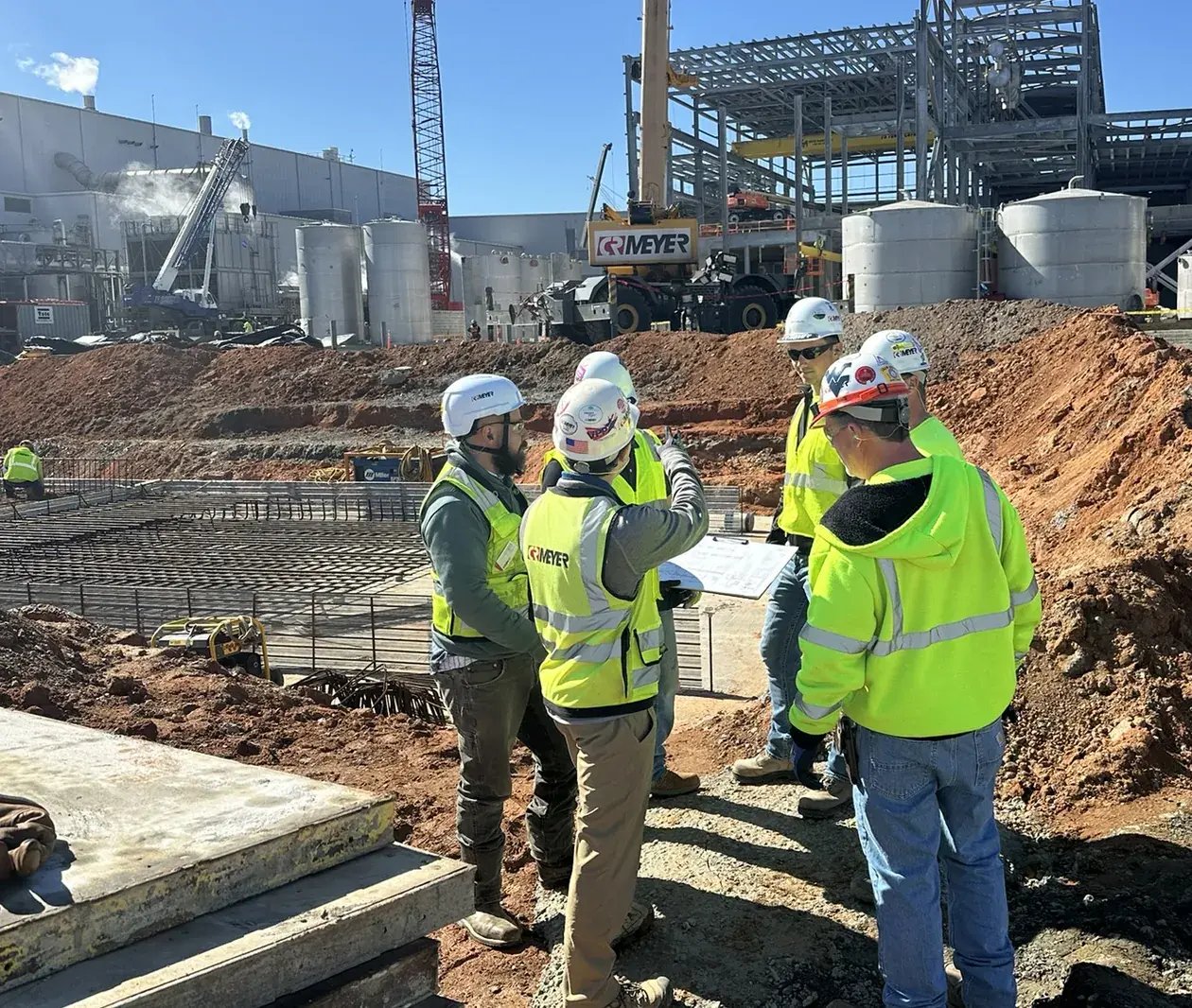
construction workers meeting industrial site

Why Contractor Safety Directly Affects Your Project Outcomes

A safety incident on your job site is not just a contractor problem. For the plant manager or project engineer accountable for what happens in that facility, the consequences are immediate and far-reaching:

Choosing a contractor whose safety culture you can trust isn't a compliance decision. It's a risk management decision that affects everything you're accountable for.

What CR Meyer's Approach to Safety Looks Like in Practice

Safety at CR Meyer is not a program layered on top of how we work. It is embedded in how we plan, staff, and execute every project. In practice, that means:
Safety Advantage

How Does Our Self-Perform Model Protect Your Facility?

One of CR Meyer's most defensible safety arguments is structural. When you control the workforce, you control the safety culture.

CR Meyer's own trained craftspeople operate under consistent standards across every project and every site. There are no subcontractor crews arriving with:

  • Different training standards
  • Different incident reporting cultures
  • Different levels of alignment with your facility's safety expectations

When a contractor subcontracts critical trades, safety standards become a variable. At CR Meyer, they are a constant.
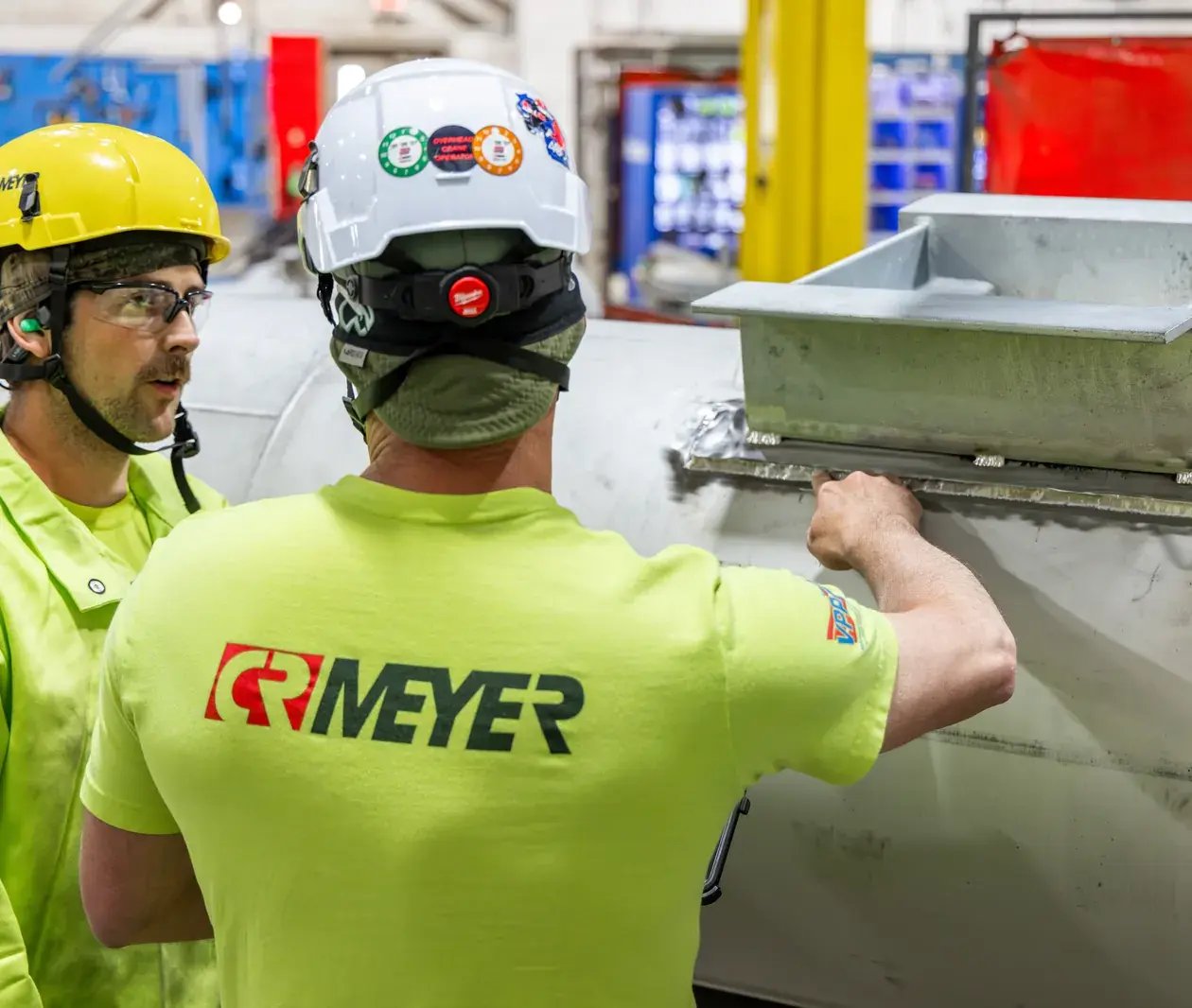
industrial workers inspecting fabricated part

One team. One safety culture. Consistently enforced — from the first day of a project through final completion.

How Does CR Meyer's Safety Culture Affect Project Performance?

Safety and project performance are not in tension at CR Meyer. They are the same thing.

A contractor that plans for safety plans more thoroughly. A workforce trained to identify hazards executes more carefully. A project team that addresses issues openly resolves problems faster. The result:


For procurement leaders evaluating total project cost: A strong safety record isn’t just a compliance credential; it’s a financial risk management argument.

A Safety Record Built Over 135 Years

CR Meyer's safety performance is recognized at the highest levels of the industry:

"CR Meyer has been a valuable partner to our company. I am impressed with their project planning process and their strong emphasis on safety during construction."

Mining Industry Customer
What is OSHA VPP and why does it matter when choosing a contractor?
OSHA's Voluntary Protection Program recognizes worksites that demonstrate safety management systems and injury and illness rates significantly below industry averages. VPP Star Site status — CR Meyer's designation — is the program's highest recognition and requires ongoing performance to maintain. For owners evaluating contractors, VPP Star status is an independent, third-party confirmation that a contractor's safety culture is not self-reported.
What is CR Meyer's Total Incident Rate (TIR) compared to the industry average?
CR Meyer's Total Recordable Incident Rate is consistently well below the industry average for industrial construction. That performance reflects a safety culture built over 135 years, reinforced through training, leadership development, and daily project execution rather than treated as a compliance requirement.
How does CR Meyer's self-perform model improve job site safety?
When a general contractor self-performs trades, one safety culture governs every crew on the project. There are no subcontractor workforces operating under different safety standards, no gaps in accountability between crews, and no safety briefings happening in parallel with different expectations. CR Meyer's safety culture applies uniformly because every person on site is part of the same organization.
What safety planning does CR Meyer do before a project begins?
CR Meyer conducts pre-project safety planning that includes hazard identification, job hazard analyses, emergency response planning, and coordination with facility safety teams for active facility projects. Safety requirements are built into the project plan before crews arrive, not developed reactively after work is underway.
How does CR Meyer's safety record affect total project cost?
Incidents on industrial construction projects generate costs that extend well beyond immediate medical expenses: production losses, regulatory response, schedule disruption, and long-term liability. Owners who prioritize safety performance when selecting a contractor are also managing their exposure to those downstream costs. CR Meyer's track record reflects the kind of safety discipline that reduces those risks across the life of a project.

A Contractor Whose Safety Culture You Can Trust

Let's talk about your project and how CR Meyer's approach to safety protects your people, your assets, and your schedule.

Whether you're evaluating contractors for a capital project, a shutdown, or ongoing maintenance, CR Meyer brings a safety culture that is built, not bolted on. Tell us about your project and we'll show you what that means in practice.

CR Meyer Orientation Links