Design through construction—one team, start to finish

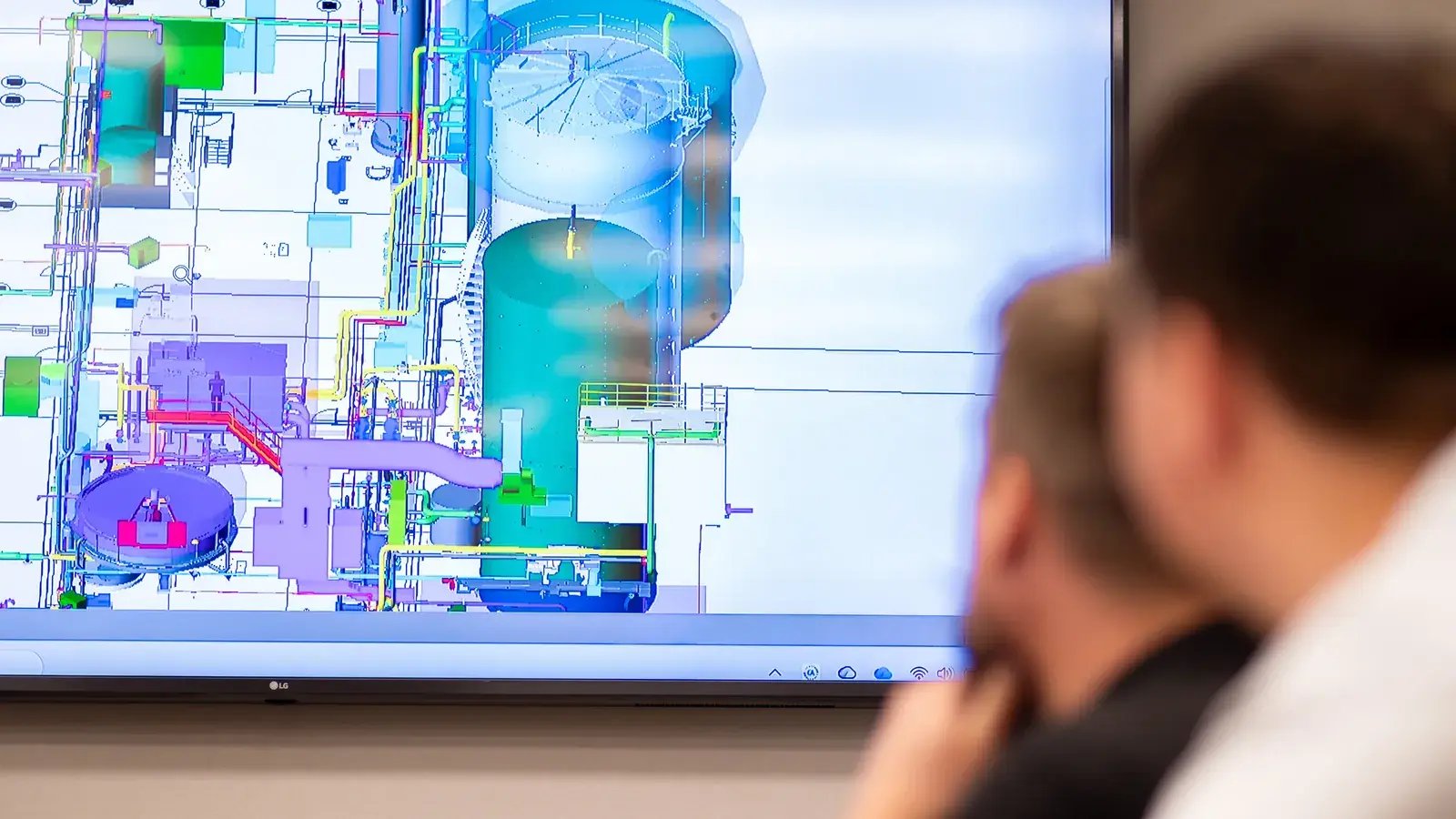
people viewing 3d industrial plant cad model

CR Meyer's Design-Build model puts a self-performing industrial contractor in the driver's seat from concept through completion. One team. One contract. One accountable outcome.

How Does the Design-Build Model Reduce Risk?

What The Design-Build Model Solves

The traditional design-bid-build model creates a structural gap between the people who design a project and the people who build it. That gap is where most industrial capital projects go wrong:
  • Designs that don't account for field conditions — Resulting in change orders, rework, and schedule delays when construction begins
  • Miscommunication between design and construction teams — Each interpreting scope, intent, and constraints differently
  • Divided accountability — When something goes wrong, the designer and the builder point at each other
  • Compressed timelines — Because design must be fully complete before construction can begin, the schedule offers no flexibility
  • A project manager in the middle who manages the relationship but controls neither the design nor the execution
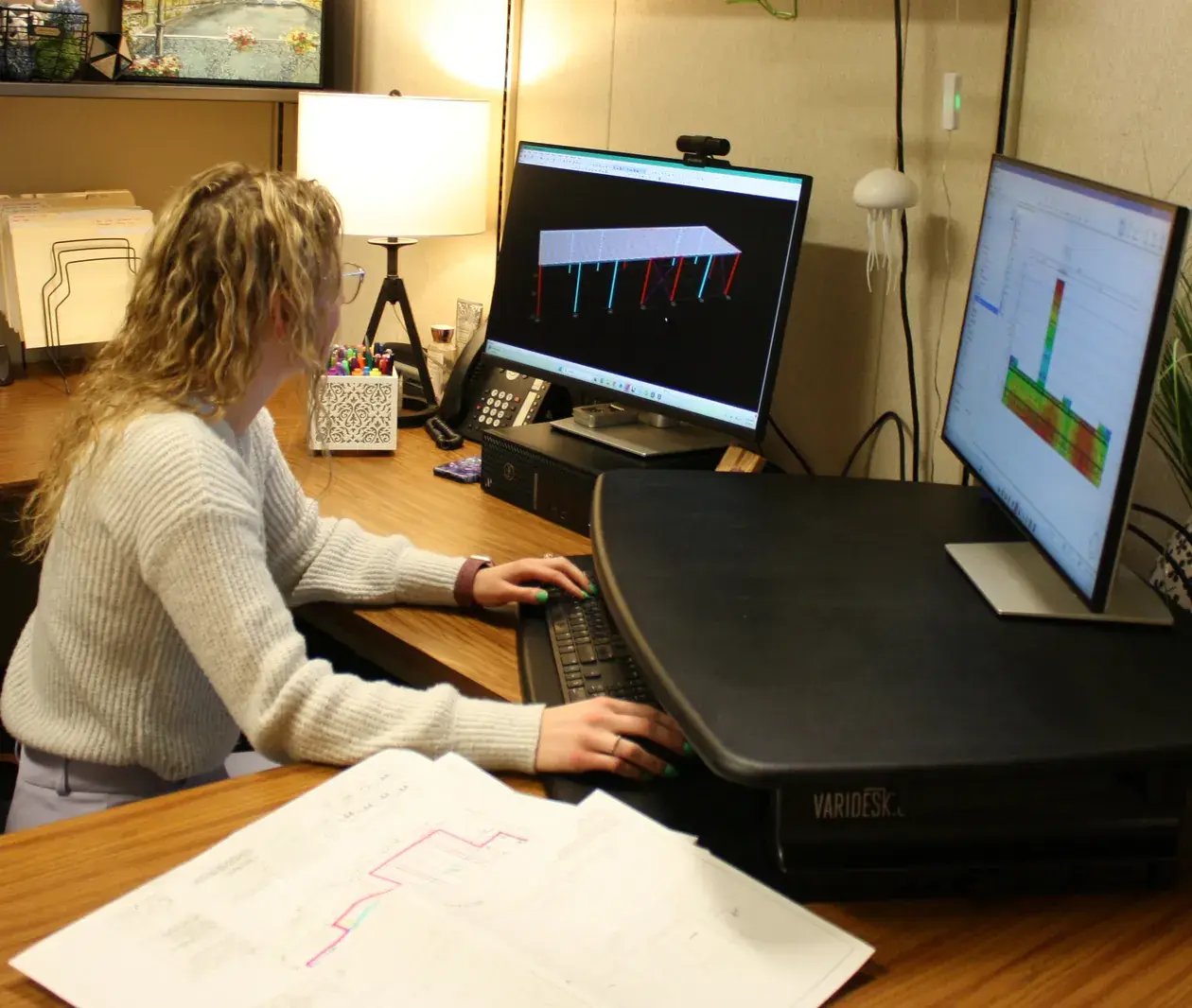
woman engineer working dual monitors structural design

CR Meyer's Design-Build model eliminates that gap. Design and construction are managed by the same team, from the first concept through the final installation.

What Makes Our Design-Build Approach Different

Traditional Design-Bid-Build

  • Separate design and construction contracts
  • Design completed before construction input is incorporated
  • Change orders when field conditions conflict with design intent
  • Multiple accountability structures
  • Extended overall project timeline

CR Meyer Design-Build

  • Architecture, engineering, and construction under one contract
  • Construction expertise drives design decisions from the start
  • Field knowledge eliminates design-to-construction errors
  • One accountable team for design and execution
  • Faster path from concept to completion
Owners who’ve used CR Meyer's Design-Build approach consistently describe fewer surprises, tighter schedules, and a project team that feels like an extension of their own organization.

What CR Meyer Brings to the Table

CR Meyer's Design-Build model is backed by in-house capability across every phase of a complex industrial project — from site planning and structural design to means and methods engineering and project visualization. One contract covers it all because one team actually does it all.
Master Planning
  • Site & building layouts
  • General arrangements
  • Architectural floor plans
  • Project / construction sequencing
  • Preliminary design, budgeting & scheduling
  • FEL studies
  • Infrastructure / condition assessments
Foundations & Slabs
  • Equipment foundations
  • Conventional or PEMB Building foundations
  • Pits & retaining walls
  • Interior & exterior paving
  • Earthwork, trenches & utility protection
Architectural Systems
  • Project team coordination
  • Code compliance
  • Energy code / thermal envelope compliance
  • Cladding design & specification
  • Concept, preliminary & detailed architectural design
Structural Systems
  • Conventional building design
  • Mezzanines & equipment platforms
  • Maintenance catwalks & platforms
  • Monorails, bridge cranes
  • Roof and floor structural analysis & evaluations
  • Infrastructure / condition assessments
  • Structural reinforcing & rehabilitation; equipment supports
Project Visualization
  • 3D laser scanning
  • 3D renderings
  • Animation
  • Augmented and virtual reality
Partnered Design Disciplines
  • Site civil design
  • Building mechanical
  • Building electrical
  • Building plumbing
  • Industrial process and electrical design
Means & Methods
  • Picking beams
  • Lifting lug design
  • Critical pick / rigging plan review
  • Construction sequencing
  • Demo plan sequencing / review
  • Temporary shoring
  • Temporary platforms
  • Roof or elevated floor evaluations for equipment moves
  • Excavation shoring
  • Barge stability analysis
  • Fall protection
THE SELF-PERFORM ADVANTAGE IN Design-Build

Why Self-Performance Is Central to Our Design-Build Model

CR Meyer's Design-Build offering is differentiated because CR Meyer self-performs the critical trades. This isn’t just a delivery method; it’s an integrated team that controls design and execution under one roof.

In practice, that means:
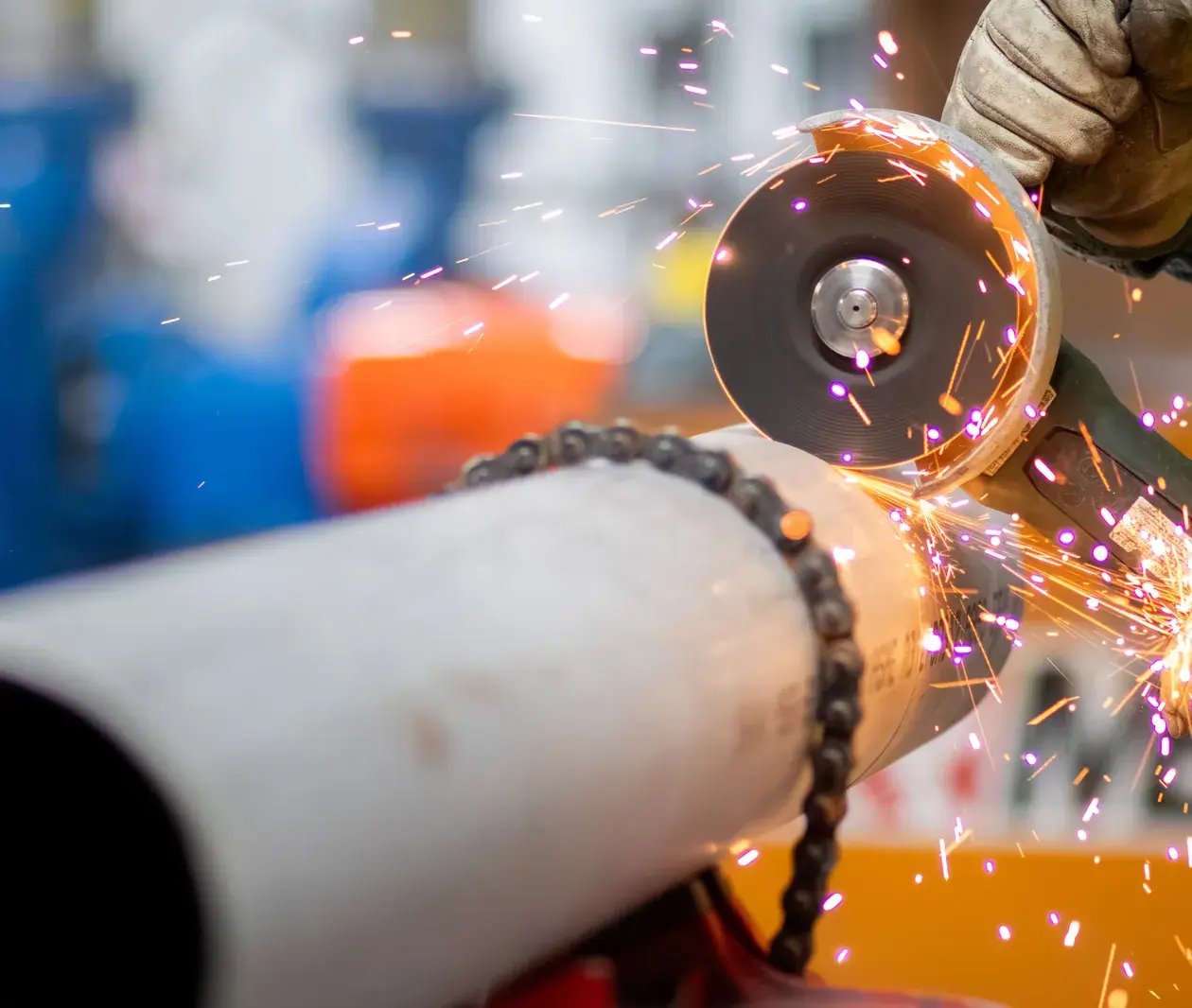
  • Millwrights, pipefitters, ironworkers, and electricians contribute to design decisions — ensuring constructability is built in, not considered after the fact
  • Design choices are evaluated against field execution reality, not theoretical best practices
  • The trades performing the work are aligned with the design from day one, eliminating the coordination failures that occur when design and construction are managed separately
  • Cost and schedule estimates reflect actual trade knowledge, not generic benchmarks that erode in the field
  • Our engineers and field crews work from the same plan, because they're the same team
Learn more about CR Meyer's self-perform model
worker grinding pipe with sparks

Is Design-Build Right for My Project?

For most complex industrial capital projects, the answer is “yes” — particularly when:

The single-source accountability of CR Meyer's Design-Build model reduces supplier risk, simplifies contract management, and creates a clearer path to cost certainty than a fragmented multi-party delivery structure.

Design-Build IN ACTIVE FACILITIES

Design-Build in a Facility That Can't Shut Down

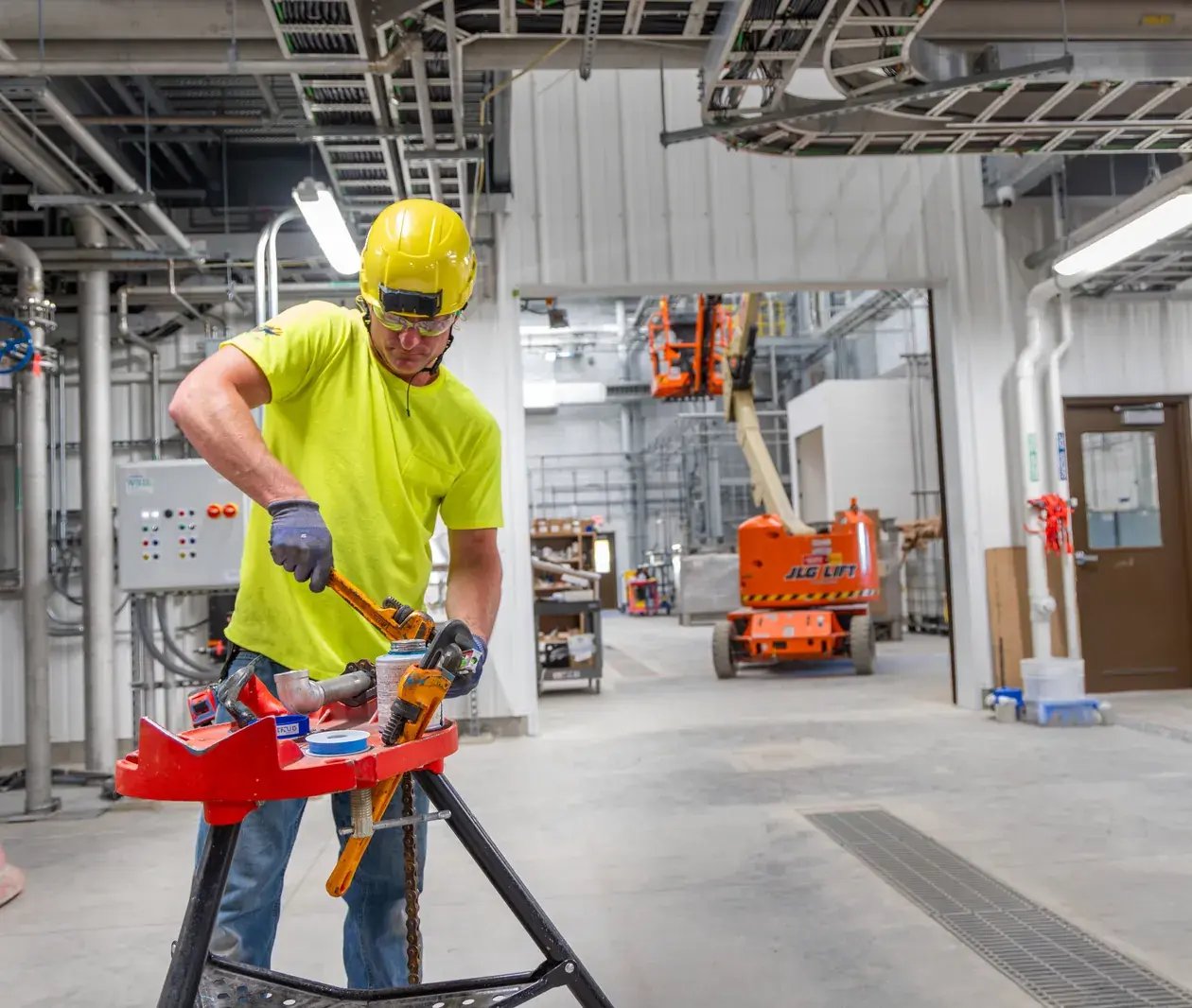
One of CR Meyer's most significant Design-Build differentiators is the ability to plan and execute in active industrial environments, where production cannot be interrupted and the design must account for operational constraints from the first sketch.

CR Meyer's Design-Build teams routinely:
  • Develop construction sequencing plans that protect adjacent operations during phased execution
  • Incorporate facility safety protocols, permitting requirements, and lockout/tagout procedures into the design from the start
  • Coordinate design decisions with operations and maintenance leadership — not just engineering teams
  • Build operational impact modeling into schedule and cost projections
Learn more about CR Meyer's active facility capabilities
industrial-worker-pipe-fitting-maintenance-1260x1066

Design-Build as Part of CR Meyer's Full Project Lifecycle

Design-Build is Phase 2 — where the scope established in feasibility becomes an integrated plan executed by one accountable team.

Design / Build

Design / Build

Integrated design and construction under one contract and one accountable team — no gap between what was designed and what gets built.

The earlier CR Meyer is involved — ideally at the feasibility stage — the more value the Design-Build model can deliver.

What is the difference between design-build and design-bid-build for industrial projects?
In a design-bid-build model, engineering and construction are separate contracts. The owner manages the relationship between designer and contractor, and any gaps between what was designed and what can realistically be built become the owner's problem to resolve. In a design-build model, engineering and construction are delivered under one contract by one accountable team. That structure eliminates the gap between design intent and construction reality, which is where many industrial projects lose time and money.
How does CR Meyer's design-build model work in an active facility?
CR Meyer's design-build process starts with engineers and construction planners working together from the beginning, which means constructability is evaluated alongside design decisions rather than after the drawings are finalized. In active facilities, that early coordination is critical: access constraints, production schedules, and safety requirements all shape how work gets sequenced and designed. Owners get a project plan that reflects how the work will actually be executed, not just how it was envisioned.
Does CR Meyer handle both engineering and construction under one contract?
Yes. CR Meyer delivers engineering and construction under a single design-build contract, with one team accountable for both. That includes feasibility, design, self-perform construction across critical trades, and project management through completion.
What types of industrial projects are best suited for a design-build approach?
Design-build is particularly well-suited for complex industrial projects where the construction environment is difficult to fully anticipate during design, where schedule compression matters, or where the owner wants a single point of accountability rather than managing separate engineering and construction relationships. Capital expansions, facility retrofits, and equipment installations in active facilities are common applications.
How does self-performing trades change the design-build process?
When a design-build contractor self-performs critical trades, the people doing the work are part of the same organization that designed it. That means field realities get incorporated into design decisions earlier, changes are communicated faster, and there's no gap between what the drawings show and what the crew understands. It also means one safety culture governs the entire project from engineering through construction completion.

Ready to Work With a Design-Build Partner Who Controls
the Execution?

Let's talk about your project and what integrated design and construction looks like in practice.

Whether you're planning a capital project, a facility expansion, or a complex retrofit, CR Meyer's Design-Build model gives you a single accountable team from concept through completion — with the self-perform trade expertise to back it up. Tell us about your project and we'll start the conversation.