Feasibility
Studies
Evaluate viability, define scope, and establish realistic budgets before committing to design or construction.

Search
There are lots of contractors that can quote a job. Fewer can execute it safely, on time, and without surprises — in a live facility, under real pressure, with your production on the line. CR Meyer is built for exactly that kind of work. Here's why it makes a difference.

Most contractors in the industrial space rely heavily on subcontractors to fill trade-specific scopes. That introduces coordination gaps, potential safety issues, divided accountability, and a general contractor that manages schedules but doesn't directly control the quality of the work being done in your facility.
CR Meyer operates differently. We self-perform the critical trades — millwrighting, piping, ironwork, electrical, concrete, masonry, and more — which means our own skilled union tradespeople are on-site doing the work. It’s also a cost-efficiency benefit to our customers.
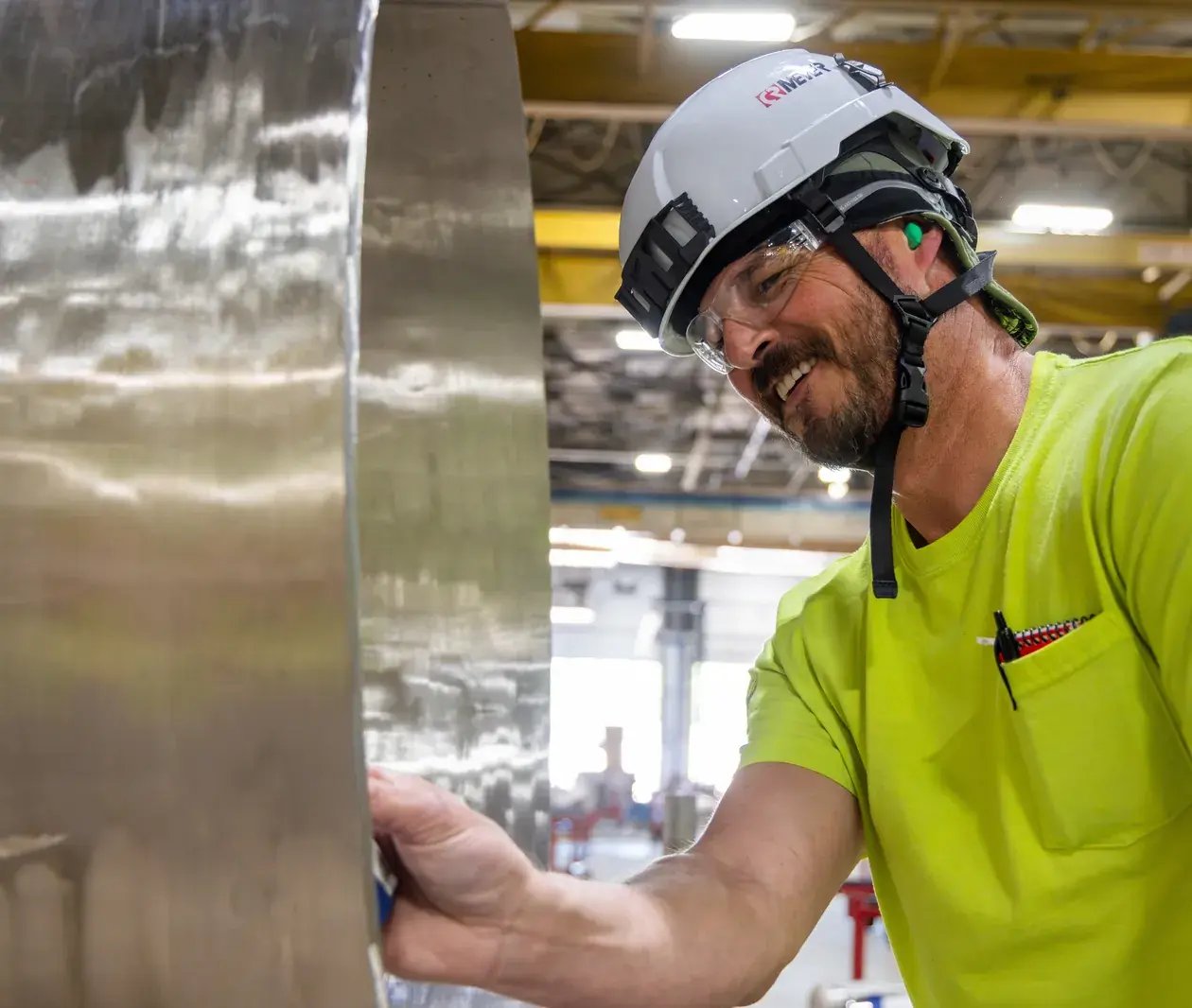
Every contractor will tell you that safety is a priority. At CR Meyer, though, safety is embedded in how we plan, staff, and execute every project — not bolted on as a compliance requirement at the end of a bid.
Our safety culture is proactive. Hazard identification happens before work begins. Field leaders are trained to recognize risk and act on it, not route it through layers of approval. And because we self-perform our trades, we enforce consistent safety standards across every crew on a CR Meyer job — there's no gap between what we expect and what actually happens in the field.
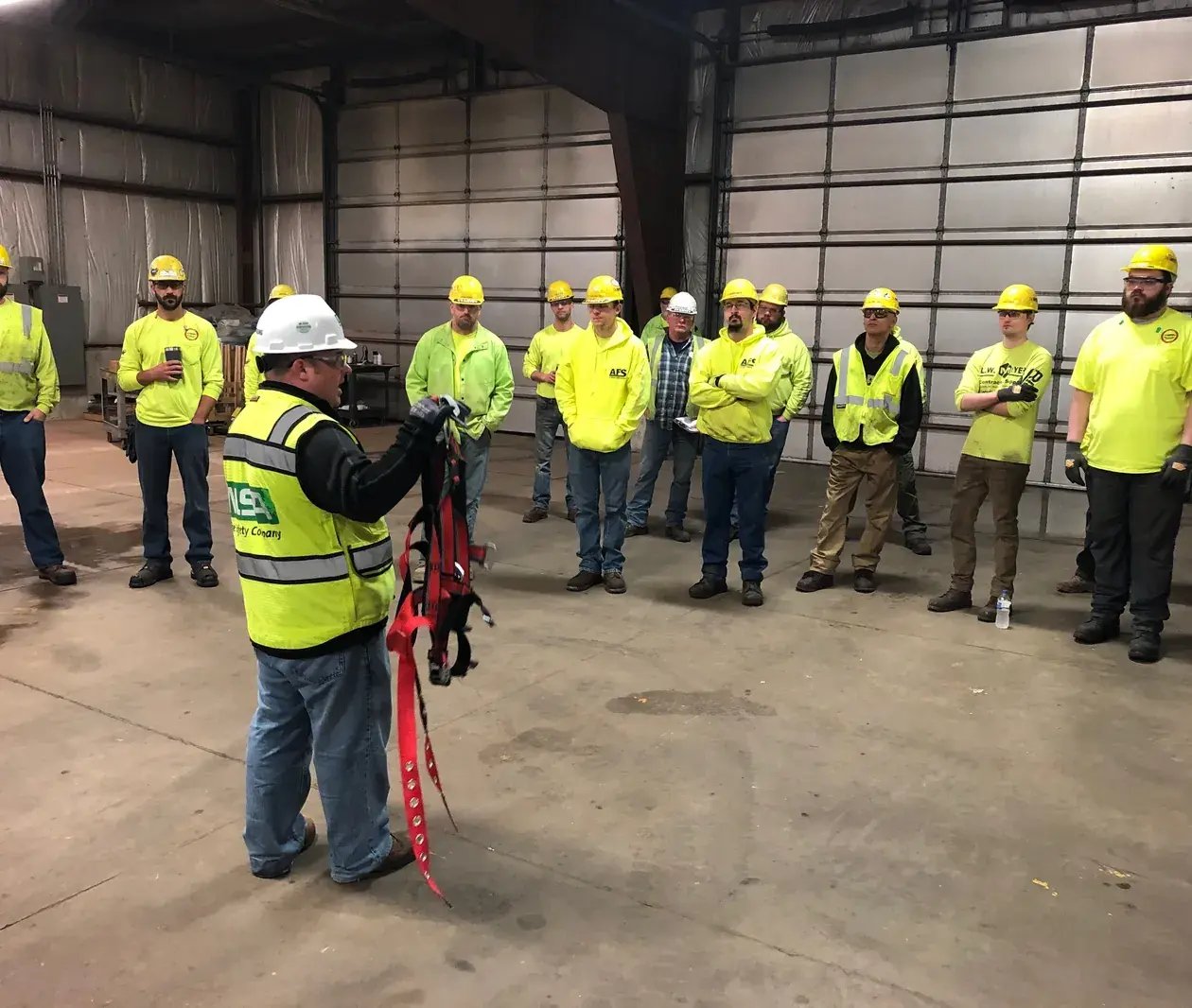
Customers regularly cite CR Meyer's safety performance as one of the primary reasons they continue working with us and expand the scope of what they bring to us. That kind of trust takes years to build. We don't take it lightly.
Much of CR Meyer's work happens inside facilities that cannot afford to shut down. Pulp mills running 24/7. Manufacturing lines producing around the clock. Utility infrastructure that has to stay operational while upgrades are underway. This is not routine construction work; it requires a different level of planning, coordination, and field discipline.
We've been executing construction and maintenance work in live industrial environments for decades. Our project teams know how to assess operational risk before work begins, communicate with your facility leadership throughout the project, sequence construction activities to minimize interference with production, and respond quickly when conditions change in an operating plant.
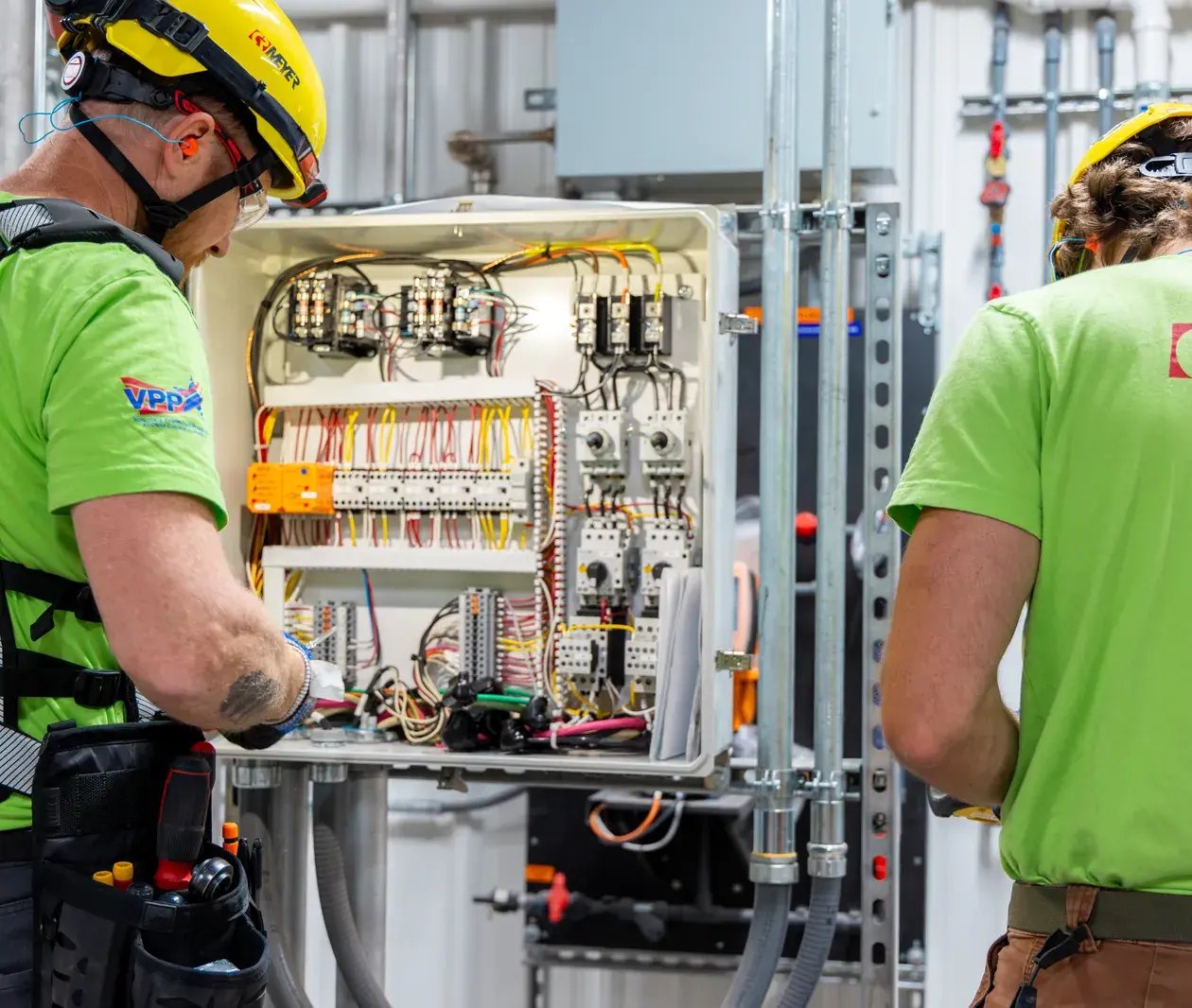
For plant managers and operations leaders, this is often the piece that matters most. You need a contractor who respects the fact that your facility is a revenue-generating environment, not a construction site. CR Meyer gets that, and our crews work accordingly.
The quality of the work on your project depends on the quality of the people doing it. CR Meyer doesn't leave that to chance. We invest in developing our tradespeople through our Leadership Center — an internal training program and facility focused on building craft skills, safety knowledge, and field leadership capabilities across our workforce.
This means that when a CR Meyer crew shows up at your facility, they've been trained to CR Meyer's standards — not just certified to meet a minimum threshold. It means consistency across projects, across trades, and across the tenure of a long-term relationship.
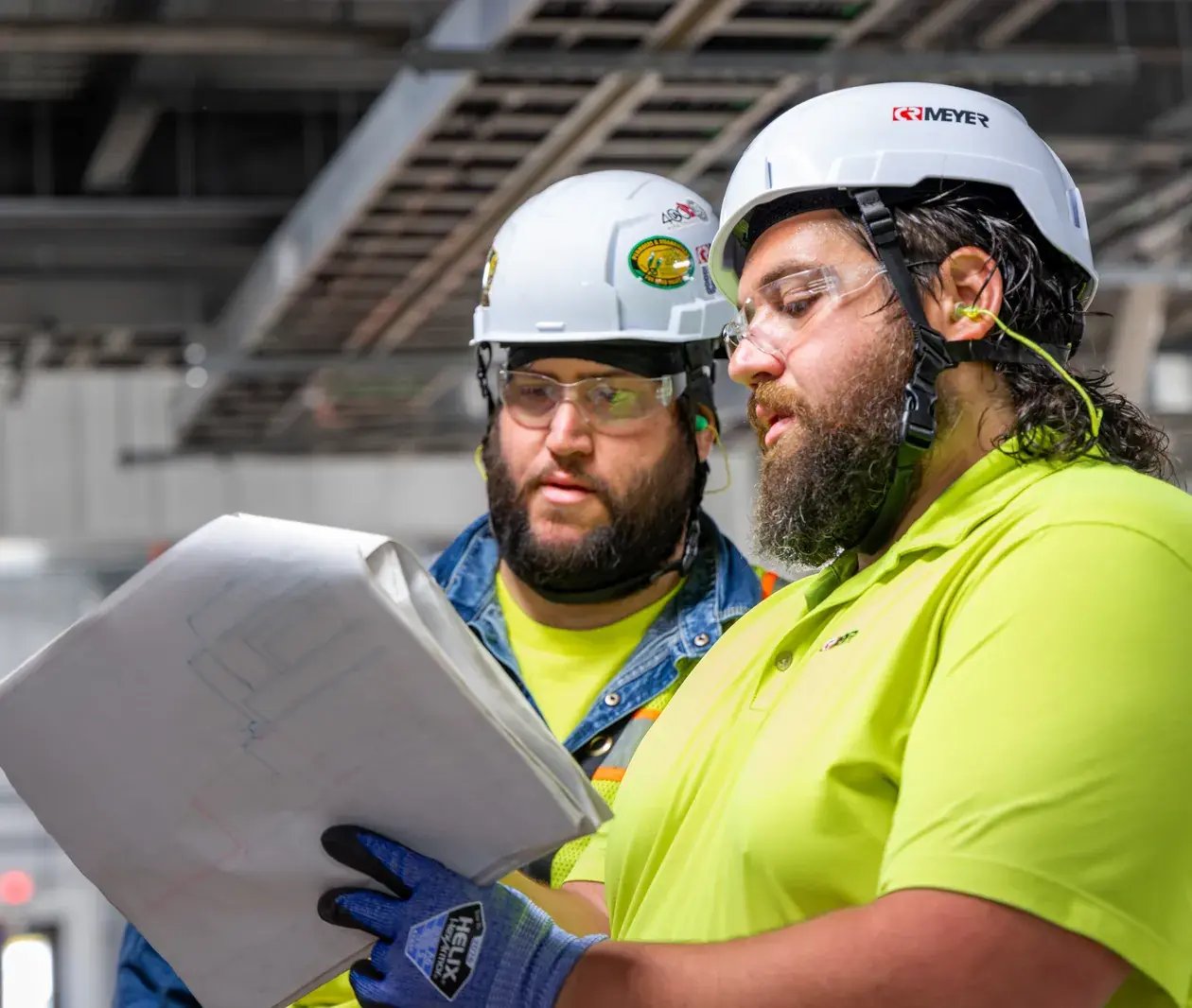
CR Meyer's investment in the Leadership Center also supports the broader union labor pipeline, helping ensure that the skilled trades essential to industrial construction continue to be developed and available. For customers who rely on long-term relationships with a contractor, this kind of institutional commitment matters.
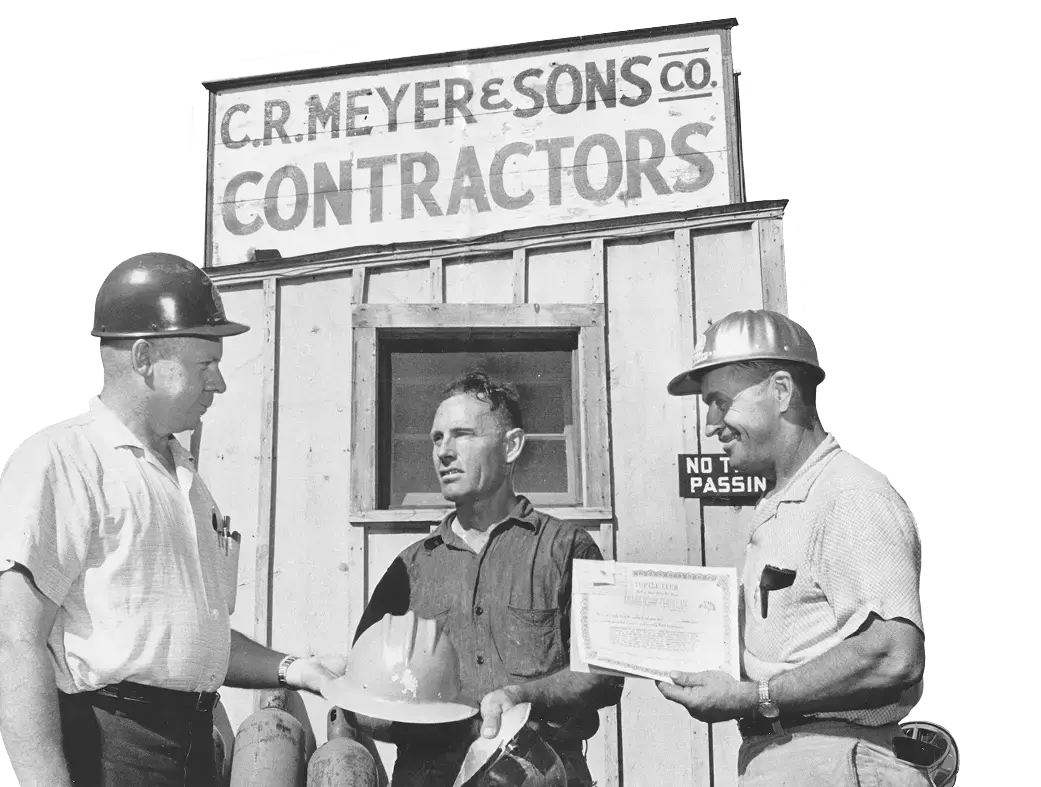
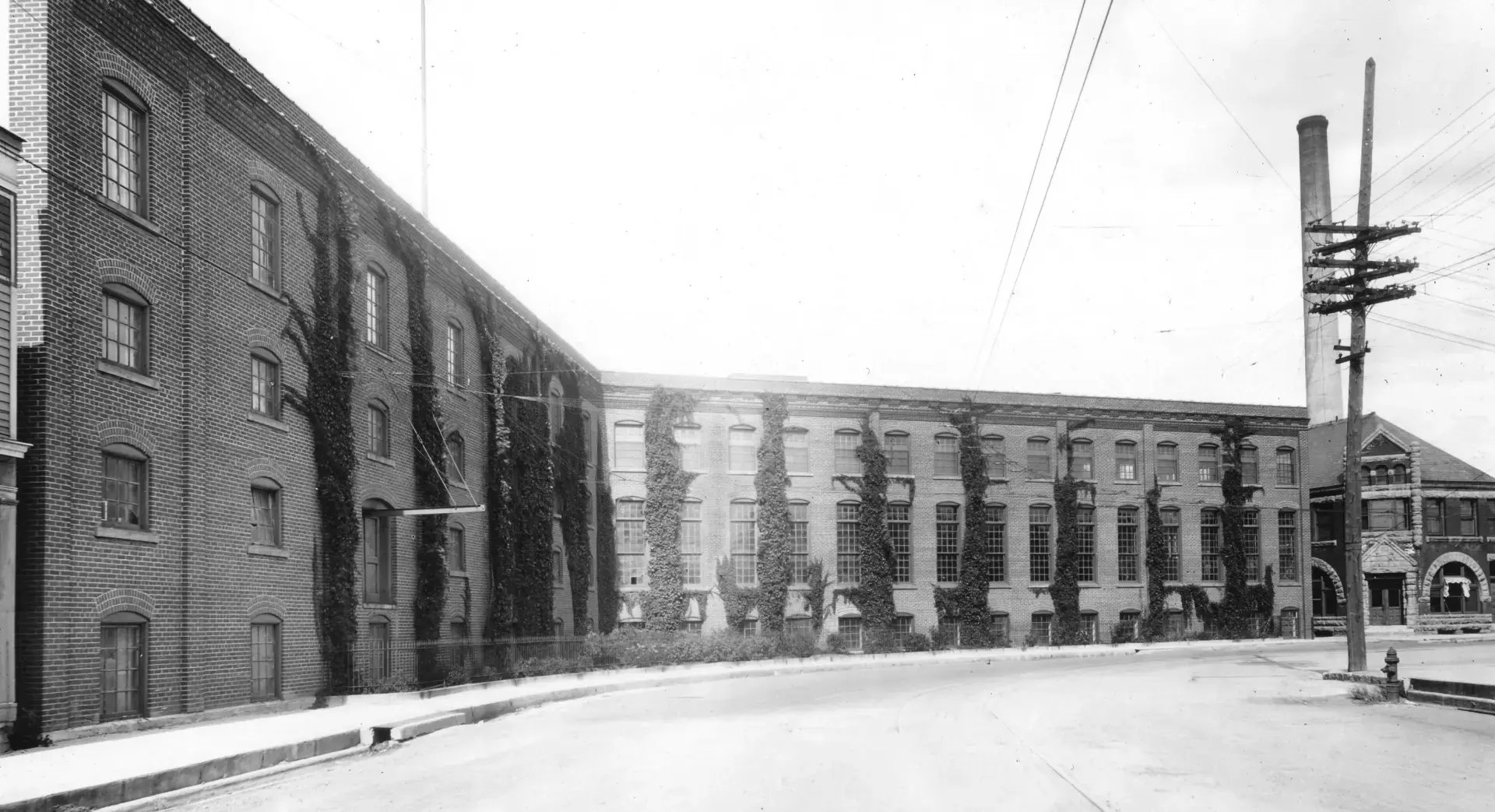
CR Meyer was founded in 1888 in Oshkosh, Wisconsin. That kind of longevity in industrial construction doesn't happen by accident. It comes from building a reputation for doing what you say you're going to do — project after project, decade after decade — in some of the most demanding industrial environments in the country.
For customers, that history is a signal: it means CR Meyer has navigated economic cycles, evolving safety standards, increasingly complex project scopes, and generational shifts in the workforce — and come through with a stronger operation. When you choose a contractor for a high-stakes industrial project, that track record is part of the value.