The Safety Stakes in Oil & Gas Are Too High for the Wrong Contractor

Oil & gas environments carry some of the highest safety stakes in industrial construction — complex process piping, pressurized systems, hazardous materials, and regulatory oversight that leaves no room for shortcuts. CR Meyer's piping expertise, pipe fabrication capability, and self-perform safety culture are built for that standard.

Why Does Oil & Gas Construction Require a Different Level of Contractor?

Oil & gas facilities — refineries, processing plants, terminals, and related infrastructure — are defined by the complexity and consequence of their systems. The piping that connects those systems is safety-critical, subject to strict regulatory standards, and among the most demanding construction and maintenance scopes in any industrial sector.

What Types of Work Does CR Meyer Perform at Oil & Gas Facilities?

PIPING & PIPE FABRICATION — THE CORE OF OIL & GAS WORK

Why Does Piping Expertise Matter in Oil & Gas Construction and Maintenance?

In oil & gas environments, process piping isn’t just a construction scope; it’s a safety-critical system that determines how a facility operates and how safely it can be maintained. CR Meyer's piping and pipe fabrication capabilities are specifically suited to the demands of oil & gas work:
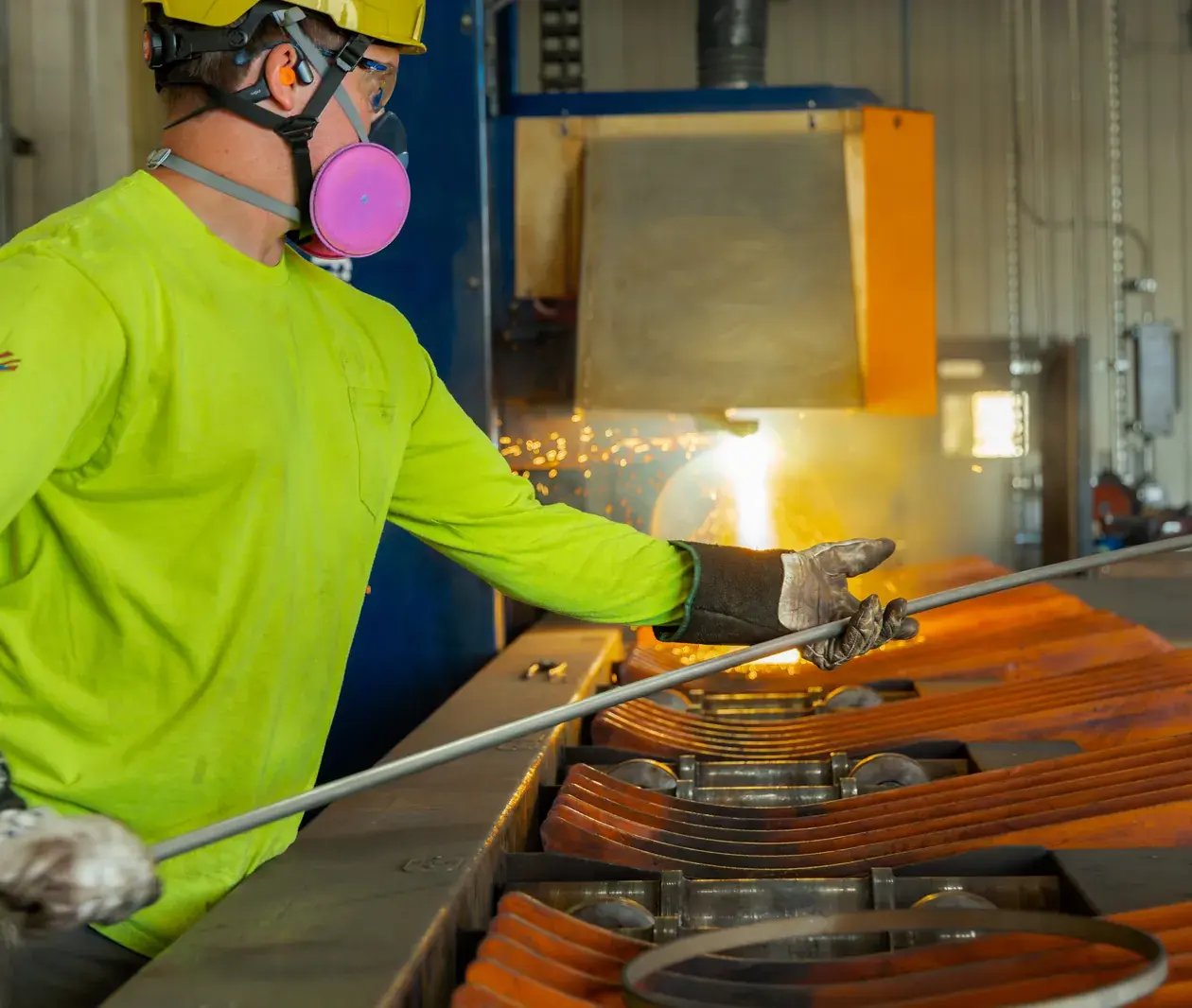
  • Code-compliant welding and quality documentation — Process piping in oil & gas environments is subject to stringent code requirements. CR Meyer's fabrication shop and field crews work to the same quality standards, with documentation that supports regulatory review
  • Prefabricated pipe spools coordinated directly with field installation, reducing field congestion, shortening installation time, and moving quality control into a controlled shop environment before work reaches the site
  • Field installation by the same team that fabricated the pipe — No gap between shop output and field needs because the same organization owns both
  • Process piping expertise across a range of materials — Carbon steel, stainless steel, alloy, and specialty materials common in refining and petrochemical processing environments
Explore CR Meyer’s Piping Capabilities
industrial worker metalworking sparks
SAFETY IN OIL & GAS ENVIRONMENTS

How Does CR Meyer's Safety Approach Protect Oil & Gas Facilities?

Oil & gas environments carry safety risks that demand a contractor whose safety culture is built in, not briefed on arrival. Hazardous materials, pressurized systems, and the potential for serious incidents make the choice of contractor a direct safety decision for the facility.

CR Meyer's safety approach in oil & gas environments is grounded in the same principles that govern every project, but applied with specific attention to the hazards these facilities present:
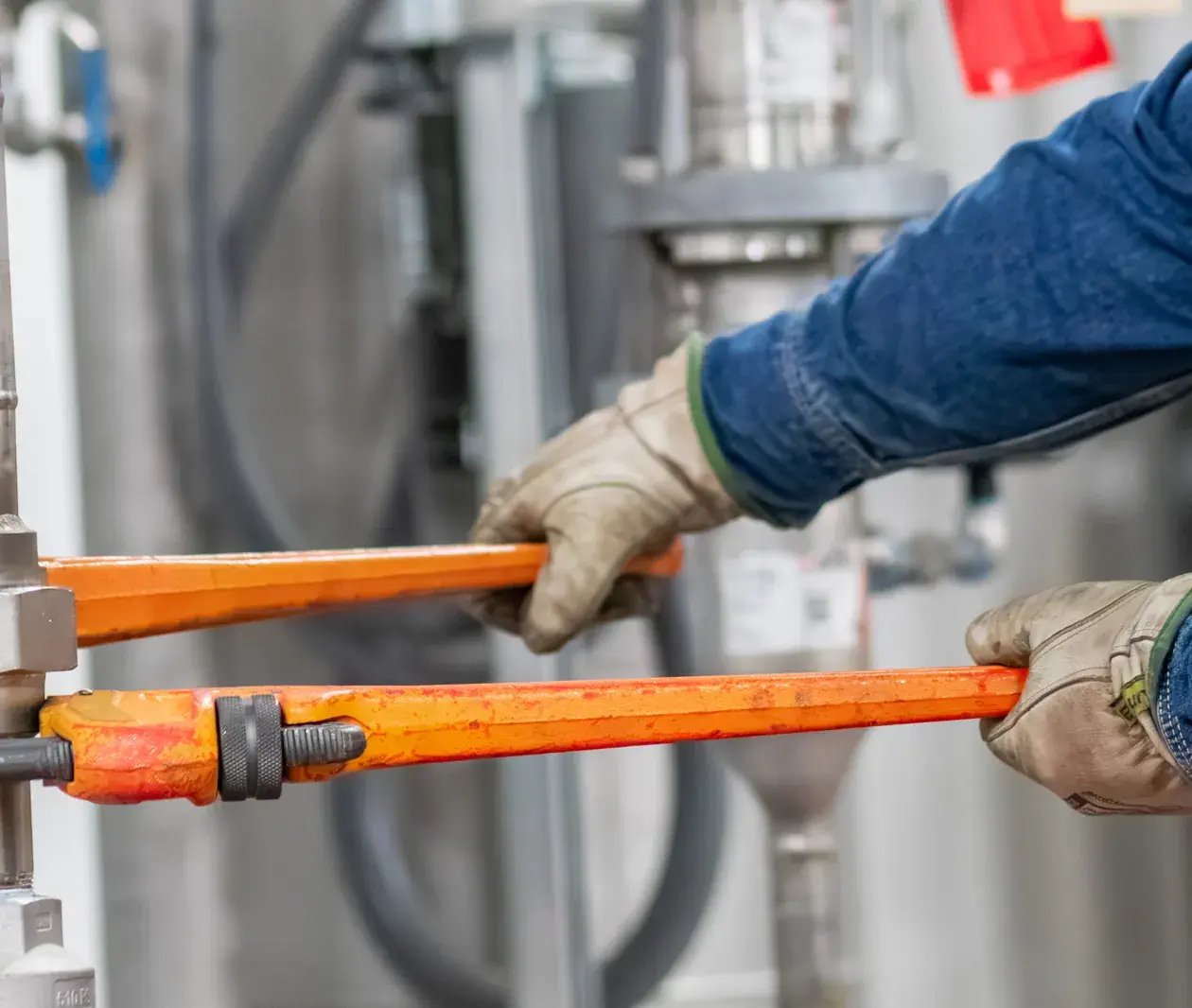
  • Pre-job hazard identification specific to the oil & gas environment. Pressurized systems, hazardous material handling, hot work protocols, and facility-specific permit requirements are planned before work begins
  • Self-perform safety advantage — One workforce, one safety culture, no subcontractor crews operating to different standards in a high-consequence environment
  • Transparency and accountability when safety issues arise. CR Meyer addresses incidents openly, learns from them, and improves processes. This matters in an environment where safety culture is scrutinized by regulators and facility leadership
Learn more about CR Meyer’s safety approach
industrial worker using wrenches on pipes
TURNAROUND & SHUTDOWN EXECUTION

Planned Turnarounds Require a Contractor Who Can Execute Under Pressure

Planned turnarounds are the primary window for major maintenance and capital work at refineries and processing facilities, and the cost of running over the window is significant. CR Meyer's experience in planned outage and turnaround execution includes:
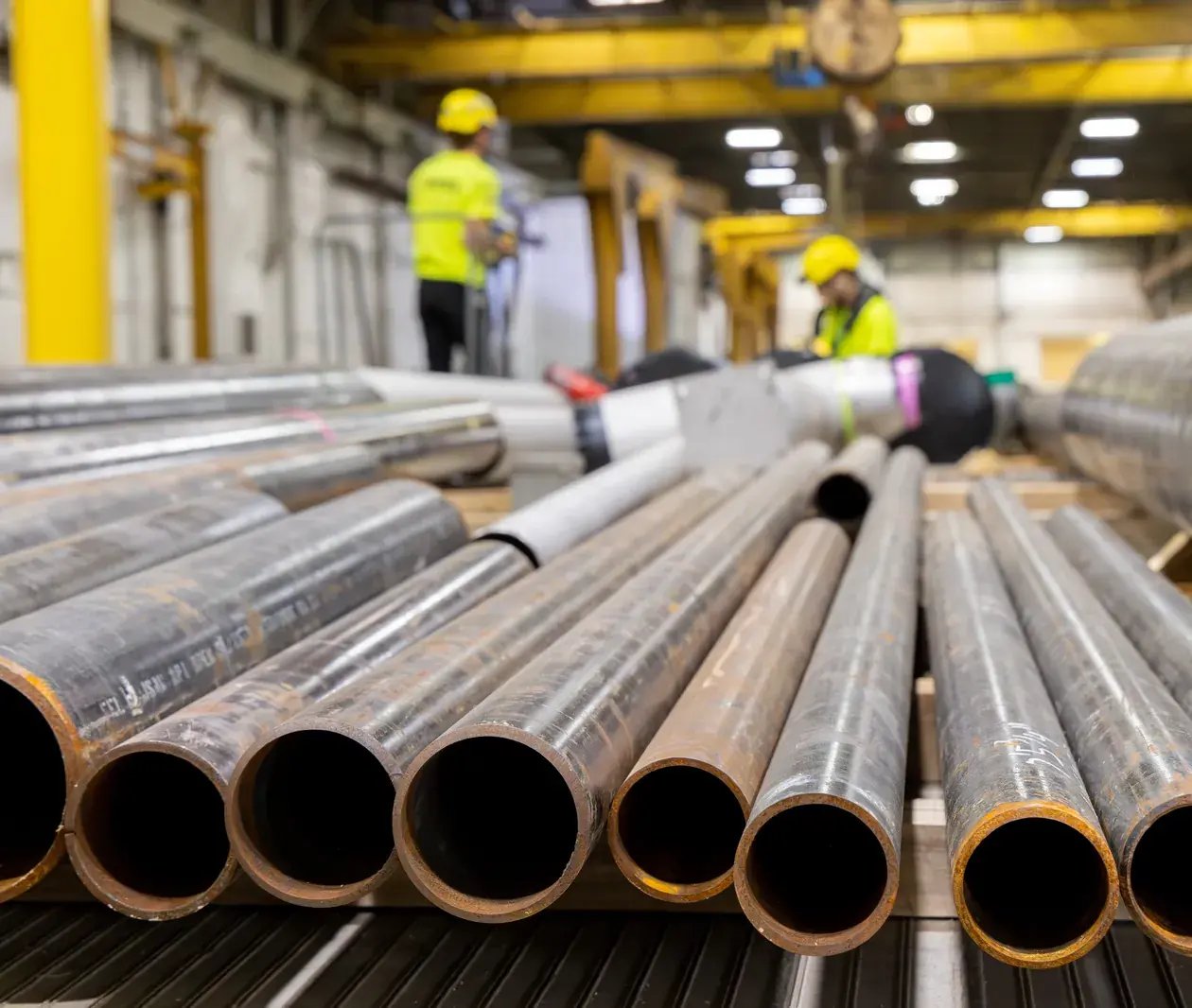
  • Multi-trade coordination within a defined shutdown window
  • Pre-job planning that sequences mechanical, piping, and electrical scopes to protect the turnaround schedule
  • Communication with facility operations leadership throughout the project
  • The self-perform model that eliminates subcontractor coordination delays when the schedule cannot absorb them
metal pipes industrial setting workers

We Plan for Compliance Before Work Begins — Not After Questions Arise

Oil & gas facilities operate under significant regulatory frameworks — and contractors working in those environments are expected to know and work within them.

CR Meyer's experience in oil & gas environments means our project teams are familiar with the permitting requirements, documentation standards, and operational protocols that govern work in these facilities. We plan for compliance from the start, not after a regulatory question surfaces mid-project.

Oil & Gas Expertise Built for High-Stakes Environments

CR Meyer brings to oil and gas work the same capabilities that define our performance across the most demanding industrial environments: self-perform trades, a safety culture built over 135 years, and a project model designed for complex, multi-trade execution in active facilities. In an industry where margins for error are narrow and the consequences of coordination failures are significant, that combination carries real weight.

What piping services does CR Meyer provide for oil and gas facilities?
CR Meyer provides process piping installation, piping system modifications, and piping maintenance services for oil and gas facilities including refineries, processing plants, and midstream infrastructure. Work is self-performed by CR Meyer's own pipefitters, coordinated with the other trades involved in the same scope.
Does CR Meyer have in-house pipe fabrication for oil and gas projects?
Yes. CR Meyer fabricates pipe in-house and installs it with the same workforce, which keeps the shop and field in continuous coordination throughout the project. Dimensions are confirmed before fabrication rather than after delivery, which eliminates a common source of rework and schedule disruption on piping-heavy projects.
How does CR Meyer handle refinery turnarounds and planned shutdowns?
Refinery turnarounds operate under return-to-service deadlines that don't move. CR Meyer plans turnaround work with that constraint as the governing factor: trades are sequenced, materials are pre-positioned, and scopes are coordinated within the available window. Self-performing critical trades means schedule decisions during the turnaround stay inside the project team, where they can be made and acted on quickly.
What safety protocols does CR Meyer follow in oil and gas environments?
CR Meyer follows the safety requirements applicable to oil and gas facilities, including hot work permitting, confined space entry, hazardous energy control, and facility-specific protocols established by the owner. Safety planning is built into every project before crews arrive on site, and CR Meyer's safety culture — developed over 135 years and recognized through OSHA VPP Star Site participation — governs every scope regardless of environment.
Does CR Meyer self-perform piping installation in refineries and processing plants?
Yes. CR Meyer's pipefitters are CR Meyer employees, not subcontractors, and piping installation is coordinated with the other self-performed trades on the project. In refinery and processing plant environments, where piping intersects with structural, mechanical, and electrical systems at nearly every point, that internal coordination is a meaningful advantage over a model that manages those relationships across separate contractors.

Have an Oil & Gas Project That Requires Piping Expertise?

Let's talk about the scope, the timeline, and what CR Meyer can bring to your facility.

Whether you're planning a capital project, preparing for a turnaround, or looking for a maintenance contractor with genuine oil & gas experience, CR Meyer has the piping, fabrication, and multi-trade capability to handle it. Tell us about your project and we'll put the right team together.