When the Work Matters, It Matters Who's Doing It

CR Meyer self-performs the critical trades on every project — our own skilled craftspeople, our own safety standards, our own accountability for every outcome. For owners managing complex, high-risk industrial work, that difference is significant.
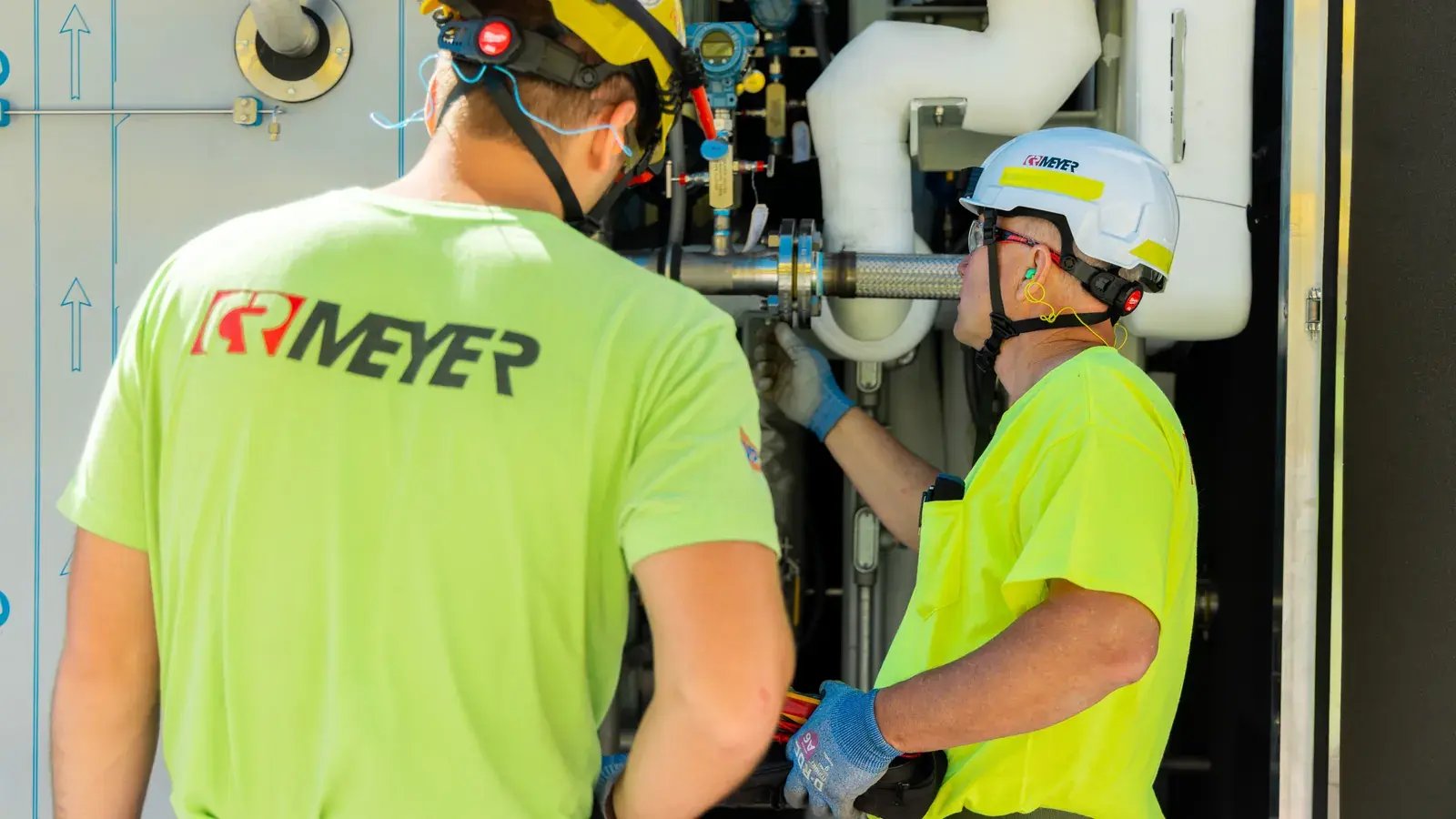
industrial technicians inspecting equipment

What You're Really Getting When a Contractor Subcontracts the Work

When a general contractor subcontracts critical scopes, they hand off control of the work that matters most. The consequences are predictable:

What Does It Mean to Work With a Self-Performing Contractor?

Self-performance means CR Meyer employs and deploys its own people to perform the trades that define a project's outcome. This isn’t an occasional practice; it’s our core operational model built over 135+ years.

When CR Meyer takes on a project:

The Trades CR Meyer Self-Performs

CR Meyer self-performs 12 critical trades, from millwrighting and piping to electrical, concrete, ironwork, and demolition. Each one is staffed by our own workforce, not subcontractors. For a full look at our trade capabilities, explore our Expertise pages.

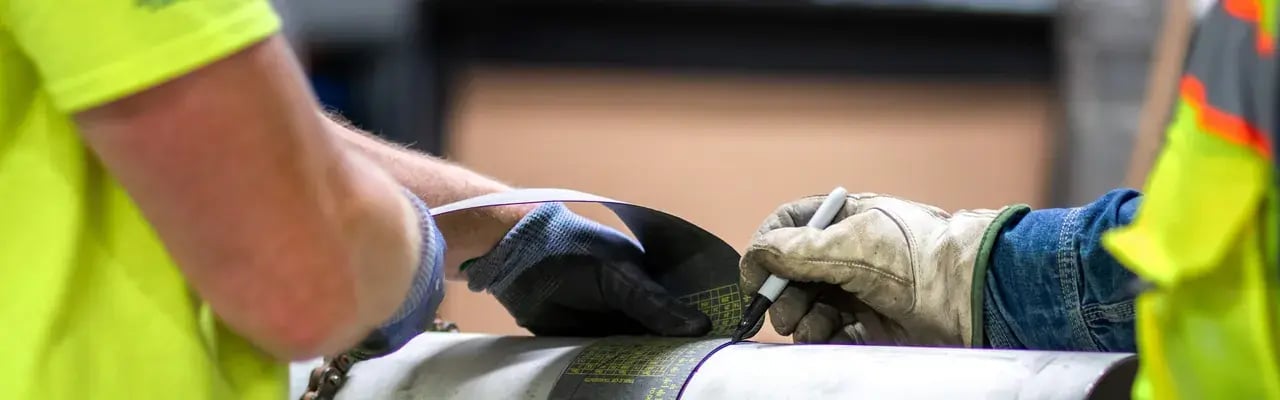
worker-marking-pipe-with-template-1280x400

How Our Self-Perform Model Reduces Risk

135+ Years of Showing Up and Delivering

CR Meyer has been self-performing critical industrial trades since 1888. That track record is reflected in our ENR rankings — consistently in the Top 400 Contractors nationally, top 10 industrial contractors, and top in pulp and paper — and in the relationships with clients who have trusted us with their most complex projects for decades.

"They do what they say they're going to do. I don't have to worry about them."

PLANT MANAGER, LONG-TERM CR MEYER CLIENT
What does it mean that CR Meyer is a self-performing contractor?
It means CR Meyer employs its own skilled tradespeople and deploys them directly on every project — no subcontractors performing critical scopes. The same organization that plans the work executes it, under one safety culture, one quality standard, and one accountable team.
Why does self-performance matter on industrial construction projects?
When critical trades are subcontracted, control goes with them. Accountability gaps open up between crews, safety standards become inconsistent, and coordination failures become more likely. For owners managing complex work in active facilities, those gaps carry real risks: production losses, schedule overruns, and liability that no bid price can offset. Self-performance eliminates the gaps by keeping control inside one team.
What trades does CR Meyer self-perform?
CR Meyer self-performs 12 critical trades, including millwrighting, piping and pipe fabrication, ironwork, electrical, concrete, masonry, carpentry, demolition, pile driving, precision machinery alignment, and boiler services. Each trade is staffed by CR Meyer's own workforce, not subcontractors.
How does CR Meyer's self-perform model affect project cost?
Self-perform isn't always the lowest number on paper, but it's consistently the better value when you account for what it eliminates: rework, coordination failures, schedule overruns, and the cost of incidents. Fewer handoffs means fewer variables, and fewer variables means more predictable outcomes for procurement leaders evaluating total project cost.
How long has CR Meyer been a self-performing contractor?
CR Meyer has self-performed critical industrial trades since 1888 — over 135 years. That track record is reflected in consistent ENR Top 400 rankings nationally, top 20 among industrial contractors, and top rankings in pulp and paper.

Ready to Work With a Contractor Who Controls the Work?

Let's talk about your project and what self-perform execution looks like in practice.

Whether you're evaluating contractors for a capital project, a scheduled outage, or ongoing maintenance, CR Meyer brings its own crews — and its own accountability — to every scope. Tell us about your project and we'll show you what that means for your outcome.