Masonry Expertise

Masonry Work Built to Last in Demanding Facility Environments

Masonry in industrial settings isn't decorative — it's structural, functional, and in many cases directly tied to how safely and reliably a facility operates. Our masons bring the skills and industrial experience to handle masonry projects as part of larger projects, with the same coordination discipline and accountability standards applied to every other trade we perform.

The Masonry Work We Do — and Why Work Built to Last Matters for Decades

Masonry is where CR Meyer started in 1888, and it remains a practiced, field-proven capability today. Our work ranges from structural block construction to repairs around high-temperature process areas, facility modifications during active operations, and masonry scopes tied to plant upgrades and maintenance programs.

Our masonry work encompasses:

Industrial masonry isn't finish work. It supports structure, contains process areas, protects high-heat systems, and contributes directly to how a facility functions over decades of use. The environments aren't forgiving, and the masonry that goes into them has to hold up. CR Meyer's masons understand that context and work to a standard that reflects it.

Masonry That Moves with the Project — Not Around It

When masonry is on a separate schedule, the trades that depend on it wait — and the project pays for it.

Block work has to be sequenced with steel erection. Refractory masonry around boiler systems has to coordinate with outage schedules and the mechanical work happening in the same area. Repairs and modifications in active facilities have to account for adjacent operations and the safety requirements that come with them.

CR Meyer performs masonry with its own workforce — part of the same self-perform model that governs our ironwork, concrete, boiler, and other trades. Our masons are coordinated by the same field leadership managing the full project. Sequencing decisions are made within one team. Safety standards are consistent across every scope on the job.

What this means for your project:

Masonry out of sequence creates problems other trades absorb: openings that don't match equipment dimensions, walls that go up before penetrations are confirmed, timelines that slip when brickwork becomes a dependency nobody planned for. CR Meyer's masonry crews work inside the project, not alongside it. That's been true for well over a century, and it's still how our customers get the outcome they planned for.

Industries Where Masonry Is Most Critical

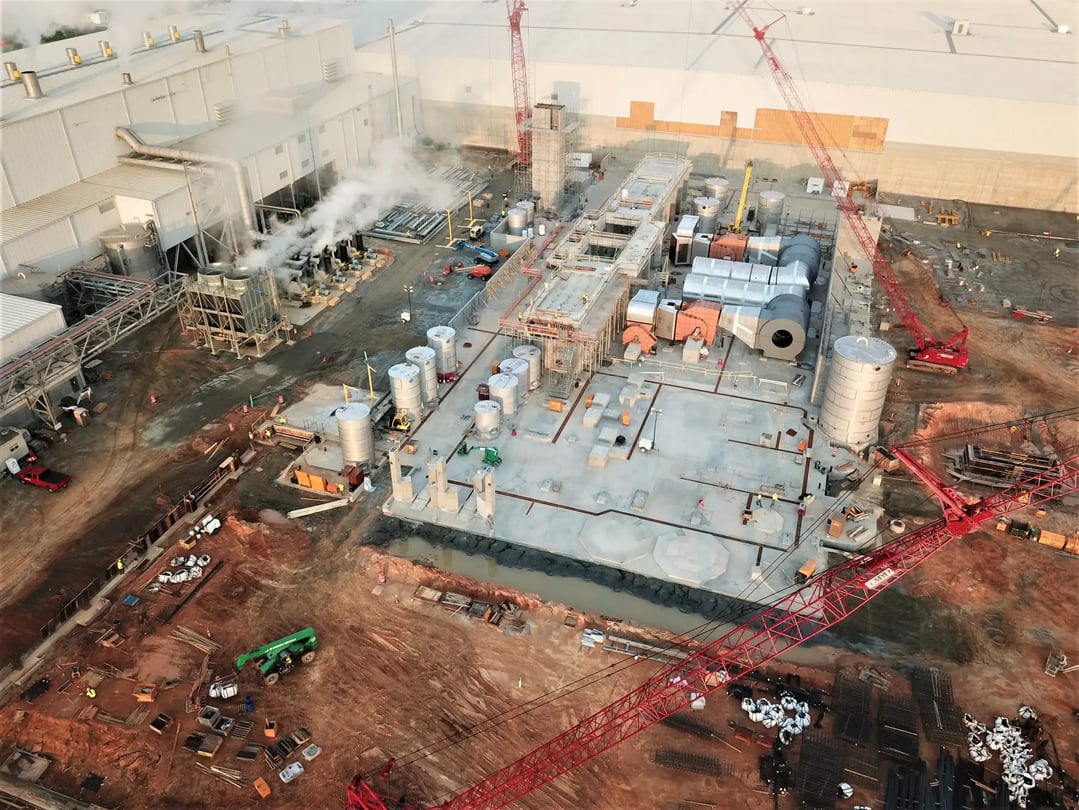
Masonry Work That Supported Facility Performance and Project Flow

CR Meyer has been building industrial masonry since 1888. These projects reflect what that depth of experience looks like in practice — in demanding environments, on real industrial scopes.

What industrial masonry services does CR Meyer self-perform?
CR Meyer self-performs structural block and brick construction, masonry repairs and restoration in operating plants, support work around boilers and high-temperature process areas, refractory and specialty masonry, masonry scopes during outages and shutdowns, and tuckpointing and joint repair in aging industrial structures. CR Meyer has self-performed masonry since 1888 — it's where the company started, and it remains a core, practiced capability today.
What is refractory masonry and where does CR Meyer perform it?
Refractory masonry involves heat-resistant brick, castable materials, and specialty masonry systems used to line boilers, furnaces, kilns, and other high-temperature industrial equipment. CR Meyer performs refractory masonry in pulp and paper mills, power generation facilities, oil and gas processing plants, and other industrial environments where process heat systems require masonry that can withstand sustained extreme temperatures. This work is typically coordinated with outage schedules and the mechanical work happening in the same area.
Can CR Meyer perform masonry repairs in a facility that's still operating?
Yes. Masonry repairs and modifications in active industrial facilities are a regular part of CR Meyer's masonry scope. Active facility masonry work requires planning that accounts for adjacent operations, access constraints, and safety requirements that come with working in live environments. CR Meyer plans for all of these conditions before crews mobilize, applying the same active facility discipline used across all of its trades.
How does CR Meyer coordinate masonry with the structural & mechanical scopes that run alongside it?
CR Meyer's masons are coordinated by the same field leadership managing the full project. Block work is sequenced with steel erection so structural readiness doesn't become a bottleneck. Refractory and boiler-area masonry is managed as part of the broader outage plan, with curing times and thermal cycling requirements factored into the schedule from the start. Sequencing decisions are made within one team — not across separate contractor relationships.
How long has CR Meyer been performing industrial masonry?
CR Meyer was founded in 1888 as a masonry contractor. Industrial masonry is the trade the company was built on, and it remains a self-performed capability today. More than 135 years of masonry work in demanding industrial environments means CR Meyer's masons understand the structural, thermal, and coordination requirements of this trade in a way that comes only from sustained practice.

Have a Project That Includes Masonry Scope?

Let's talk about what the work involves and how CR Meyer can deliver it as part of the broader project.

Whether you're planning a facility expansion with structural masonry, managing repairs in an operating plant, or working through refractory or high-temperature masonry tied to boiler or process systems, CR Meyer has the masons and the project experience to handle it. Tell us about your project and we'll put the right team together.