We don't subcontract accountability

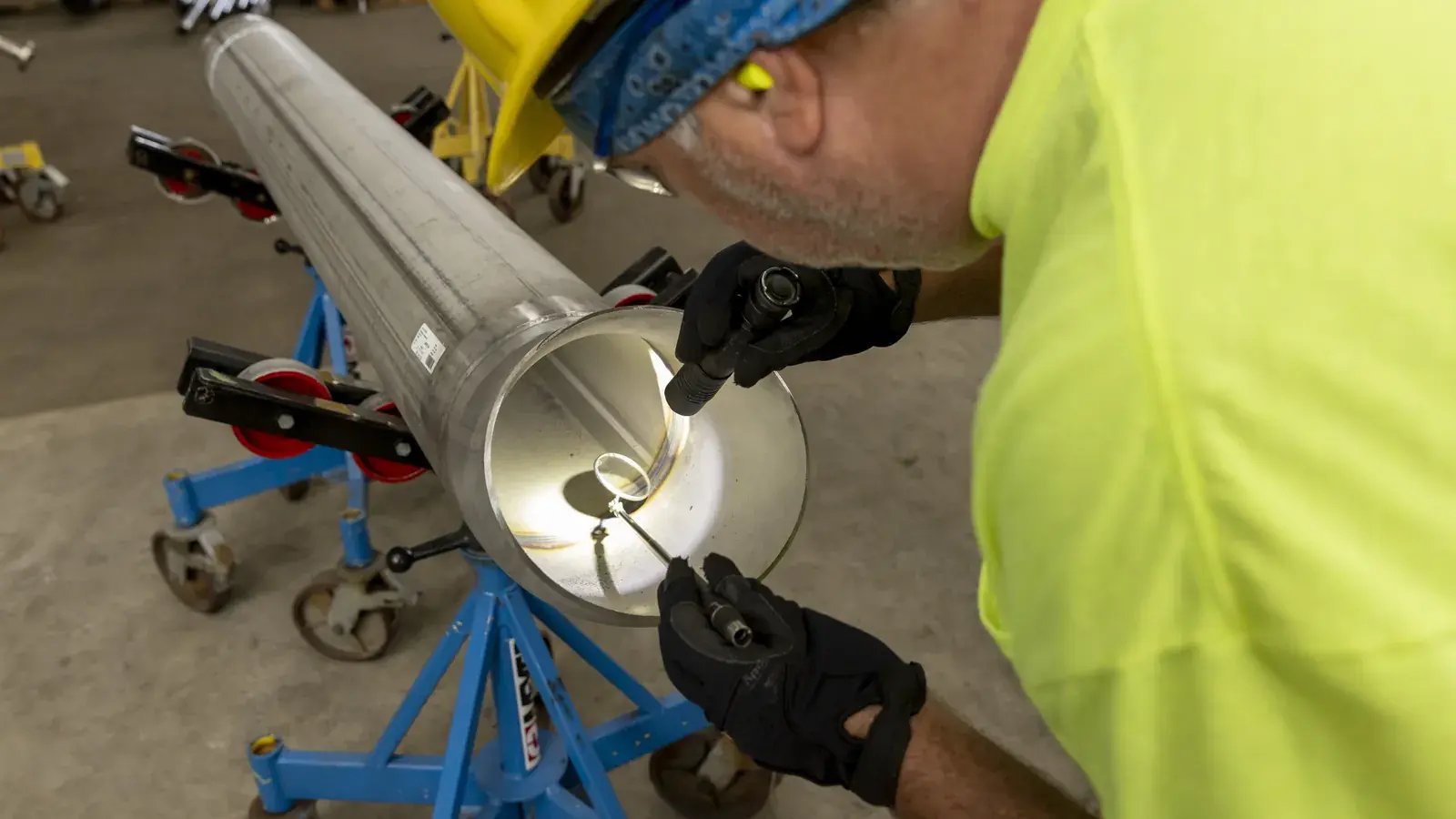
worker inspecting pipe weld interior with tools

When CR Meyer builds, our own skilled tradespeople do the work. That means direct control over safety, quality, and schedule from the first day of construction through final completion, with one team accountable for every scope.

What CR Meyer's Self-Perform Construction Includes

Each of these trades is performed by CR Meyer's own workforce, not subcontractors. On projects where multiple trades run simultaneously, coordination happens inside the project team. Sequencing decisions are made in real time, not across separate contractor relationships.

Construction as Part of a Bigger Picture

Self-perform construction is Phase 3 of CR Meyer's end-to-end project lifecycle — its value is shaped by what came before it and extends into what follows.

When CR Meyer is involved from the earliest stages, self-perform construction doesn't just execute a plan, it executes the right plan. 

Self-Perform Construction in Practice

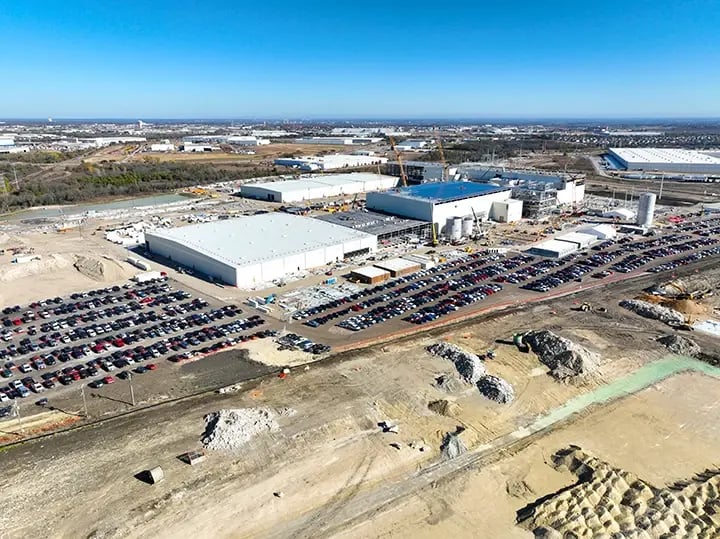
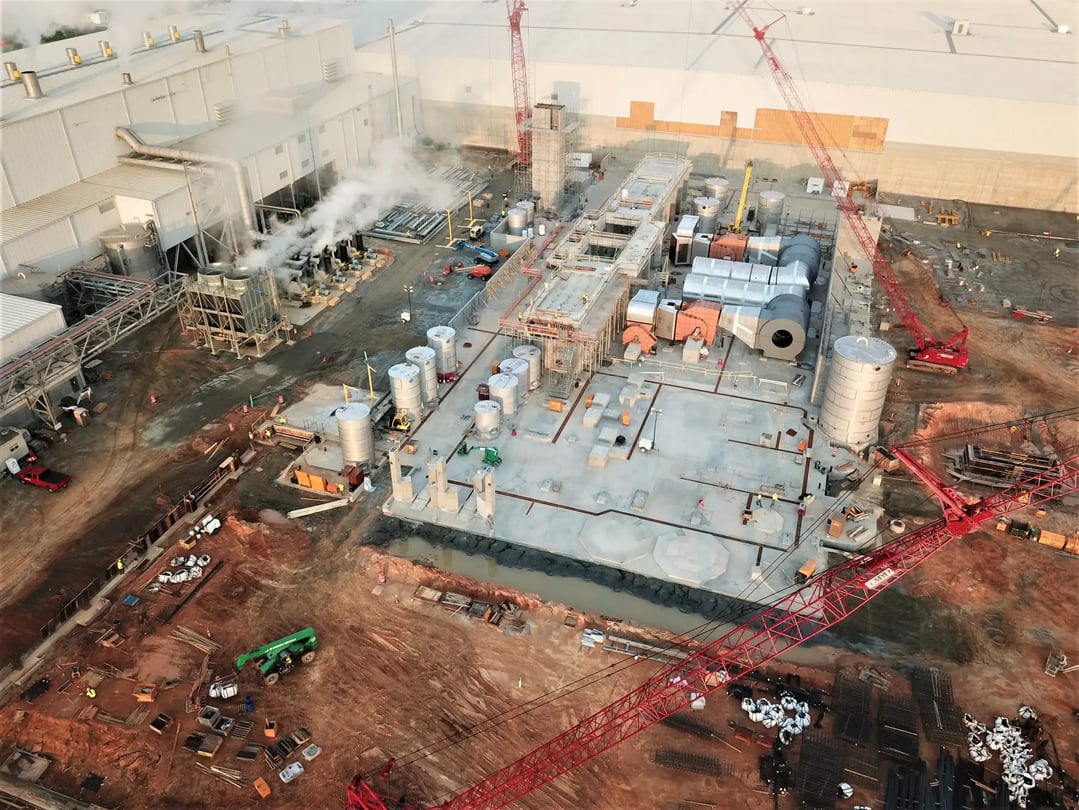
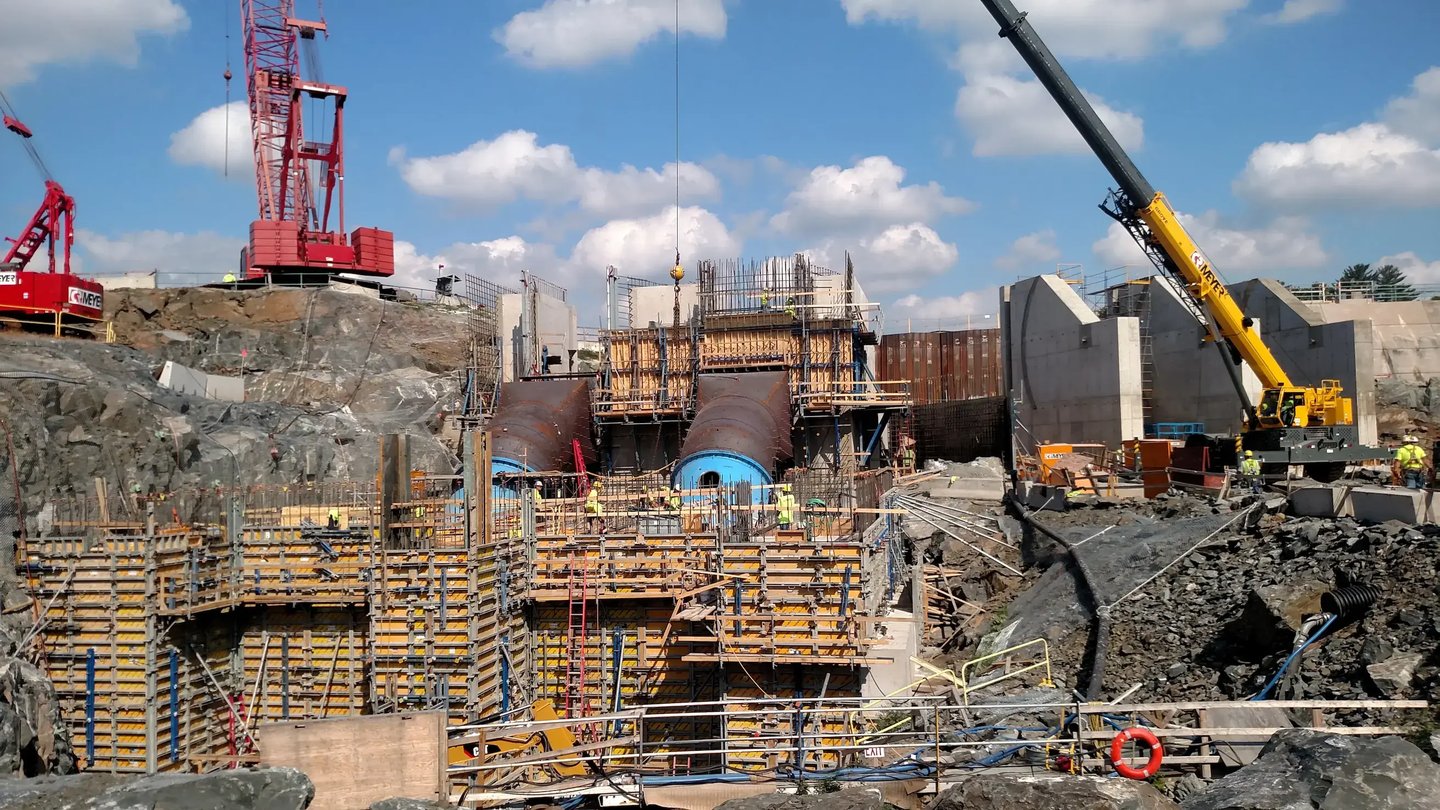
CR Meyer has self-performed critical industrial construction trades for over 135 years — across pulp and paper mills, power generation facilities, heavy manufacturing plants, mining operations, and more. Our ENR rankings reflect the depth and consistency of that track record: consistently in the Top 400 Contractors nationally, top 10 industrial contractors, and top in pulp and paper. 

“Their craftsmen were very skilled in their respective crafts, had excellent work ethics, and all worked toward a common goal.” 

Paper Industry Customer
What trades does CR Meyer self-perform on construction projects?
CR Meyer's own workforce performs millwrighting, piping and pipe fabrication, ironwork, electrical, concrete, masonry, carpentry, demolition, pile driving, precision machinery alignment, and boiler services. On projects where multiple trades run simultaneously, coordination happens inside the project team, not across separate contractor relationships.
How does self-perform construction fit into CR Meyer's project lifecycle?
Self-perform construction is Phase 3 of CR Meyer's end-to-end project lifecycle. Its value is shaped by what comes before it (feasibility studies that apply construction expertise to planning, and design-build delivery that closes the gap between what was designed and what gets built) and it extends into maintenance services after project completion, where CR Meyer crews already know the facility.
What types of industrial construction projects does CR Meyer self-perform?
CR Meyer has self-performed critical construction trades across pulp and paper mills, power generation facilities, heavy manufacturing plants, mining operations, and more. Project types include capital projects, plant expansions, retrofits in operating facilities, and work during planned outages and shutdown windows.
What's the advantage of having CR Meyer involved before construction begins?
When CR Meyer is engaged during feasibility and design, construction expertise is applied to planning, which means more accurate cost and schedule projections before a dollar is committed, and a project strategy built on actual field knowledge. By the time construction starts, the plan has already been stress-tested by the team executing it.
How does CR Meyer handle multi-trade coordination on construction projects?
Because CR Meyer's own crews perform the critical trades, sequencing decisions happen inside the project team and are resolved in real time, not through a chain of subcontractor communications. That internal coordination is one of the primary reasons multi-trade CR Meyer projects stay on schedule.

Have a Construction Project That Requires Real Accountability?

Let's talk about the scope, the environment, and what self-perform execution looks like on your project.

Whether you're planning a capital project, a plant expansion, or a complex retrofit in an operating facility, CR Meyer brings its own craftspeople — and its own accountability — to every scope. Tell us about your project and we'll put the right team together.