The Most Costly Mistakes Are Made Before Construction Begins

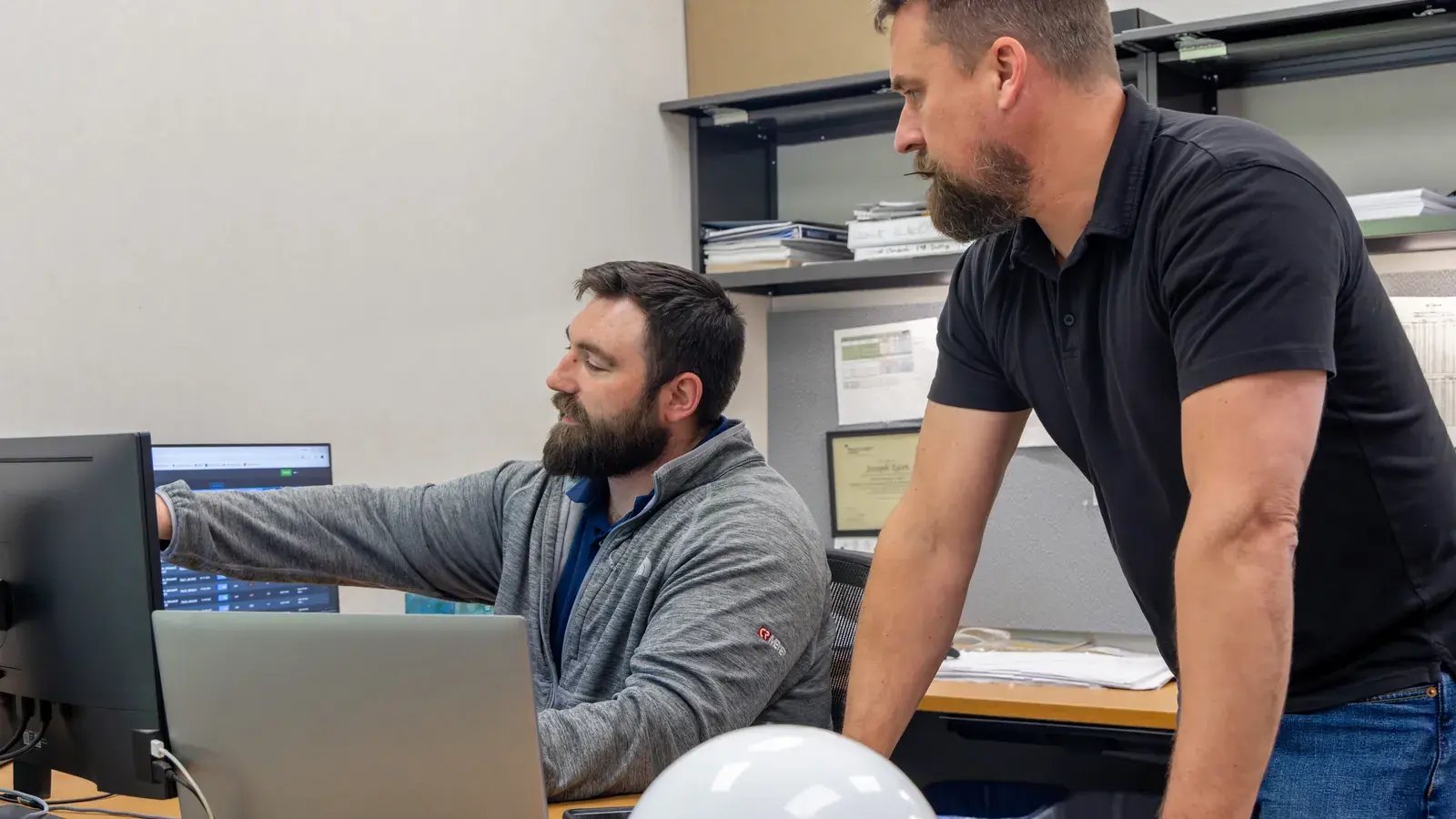
two men collaborating at computer

Every commitment made before construction is only as good as the assumptions behind it. CR Meyer's feasibility work replaces those assumptions with field-grounded answers.

When Should You Bring in a Contractor for a Feasibility Study?

The answer is “early.”

By the time a capital project reaches the construction phase, the decisions that most affect cost, schedule, and risk have already been made. Scope assumptions have been set; budget parameters have been established; timelines have been committed to leadership. If those early decisions were made without accurate, field-grounded information, the project carries those errors forward — and they compound.

The owners who avoid the most expensive surprises in industrial construction are the ones who ask the hard questions before making commitments:

  • Is this scope realistic given the site conditions and operational constraints?
  • What are the constructability risks that aren't visible in the design?
  • What will this actually cost, and what are the variables that could change that number?
  • Is the proposed schedule achievable, or is it optimistic?
  • What are the sequencing implications for a facility that cannot shut down?

CR Meyer's industrial feasibility studies are built to answer those questions, with the perspective of an experienced, self-performing industrial contractor who will execute the work, not an advisory firm offering a theoretical opinion.

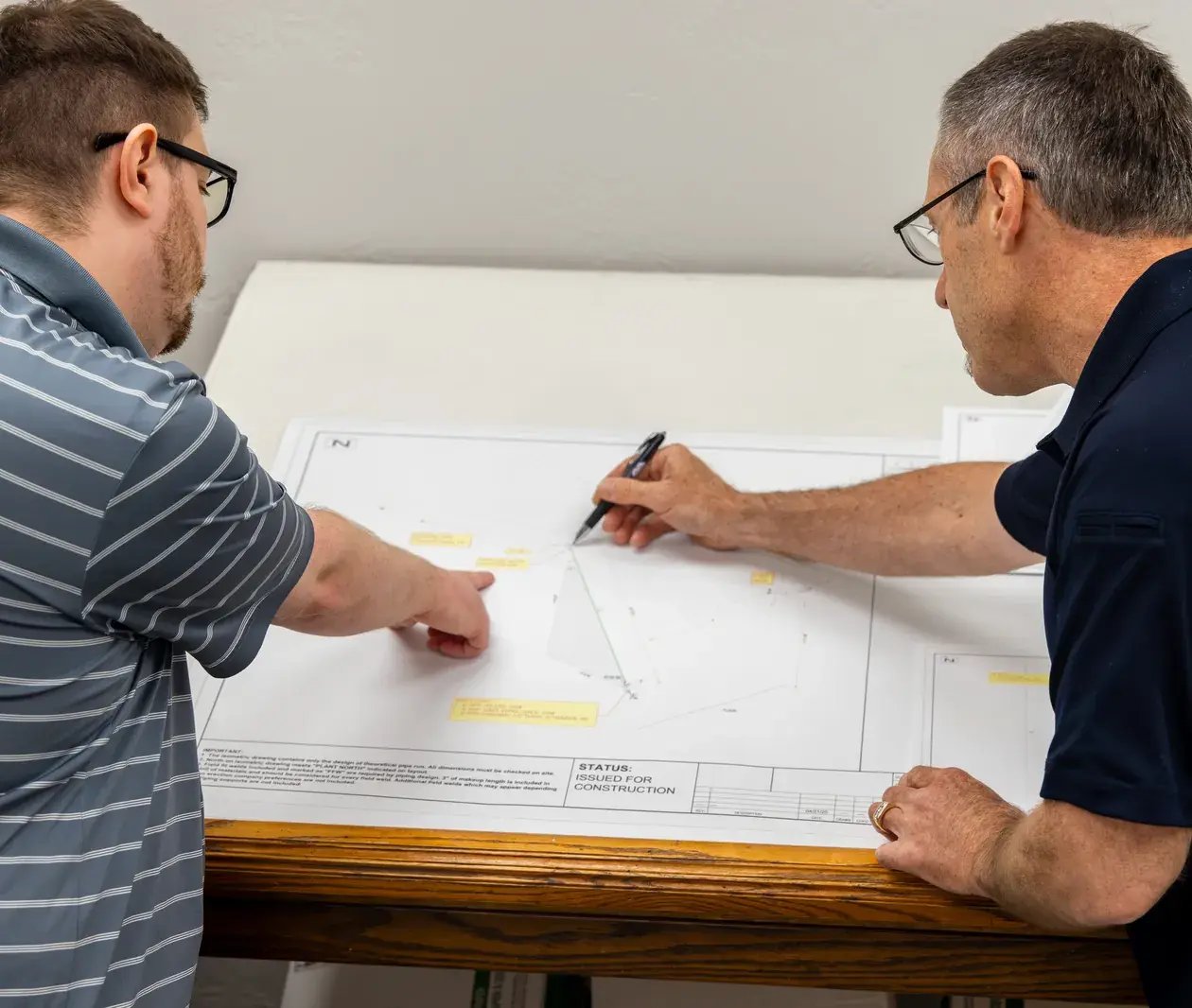
two men reviewing construction plans

What Does a Feasibility Study Include?

A Feasibility Study Is Only as Reliable as the Expertise Behind It

When CR Meyer evaluates a project at the feasibility stage, the assessment is grounded in real field execution knowledge — from the tradespeople who will actually do the work:

The result is a feasibility assessment that reflects construction reality — not theoretical estimates that erode once work begins.

The earlier CR Meyer is involved, the more accurately we can protect your budget, your schedule, and your decision-making confidence.

Feasibility Studies as Part of CR Meyer's Full Project Lifecycle

Feasibility is Phase 1 — and the phase that determines how much value every phase that follows can deliver.

Feasibility Studies

Feasibility Studies

Understand the scope, the risks, and the realistic path forward before a dollar is committed.

Owners who engage CR Meyer at the feasibility stage gain a partner who carries that knowledge forward through every subsequent phase, eliminating the translation loss that happens when planning and execution are managed by separate teams.

Feasibility Expertise Across Our Core Industries

CR Meyer performs feasibility work across the industrial sectors where capital project decisions carry the highest stakes. In each of these environments, the consequences of a poorly informed capital decision are significant. CR Meyer's feasibility work is calibrated for that context.

What does CR Meyer's feasibility study process include?

CR Meyer's feasibility studies evaluate the technical, logistical, and financial dimensions of a proposed industrial project before capital is committed. That includes site assessment, constructability analysis, preliminary scheduling, cost modeling, and identification of risks that could affect the project outcome. The goal is to give owners the information they need to make a confident go or no-go decision.

When in a capital project should a feasibility study happen?
A feasibility study should happen before detailed engineering begins and well before construction procurement. Bringing feasibility work upstream — when scope is still being defined and major decisions haven't been locked in — is where it produces the most value. Changes made at the feasibility stage cost a fraction of what the same changes cost during design or construction.
How is CR Meyer's feasibility work different from an engineering consultant's assessment?
An engineering consultant approaches feasibility primarily from a design and technical standpoint. CR Meyer approaches it from the perspective of a contractor who will execute the work. That means the analysis includes how the project will actually be built — trade sequencing, labor requirements, access constraints, schedule risk, and the construction realities that affect cost and timeline. Owners get a more complete picture of what the project involves before committing to it.
Can CR Meyer do a feasibility study for a project they won't ultimately build?
Yes. CR Meyer performs feasibility studies as a standalone service, independent of whether they are awarded the construction work. Owners who want an experienced contractor's perspective on a project's viability can engage CR Meyer for feasibility without any obligation beyond that scope.
How long does a CR Meyer feasibility study take?
Timeline depends on project complexity, site conditions, and the scope of analysis required. CR Meyer works with owners to establish a feasibility timeline that fits their decision-making process, whether that's a focused assessment over a few weeks or a more detailed study for a larger capital investment.

Planning a Project? Let's Talk Before You Commit.

The earlier CR Meyer is at the table, the more value we can bring. Let's talk about where you are in the process.

Whether you're in early exploration or moving toward a capital commitment, CR Meyer can help you understand what the project actually involves — and what it will take to execute it successfully. Tell us about your project and we'll start the conversation.