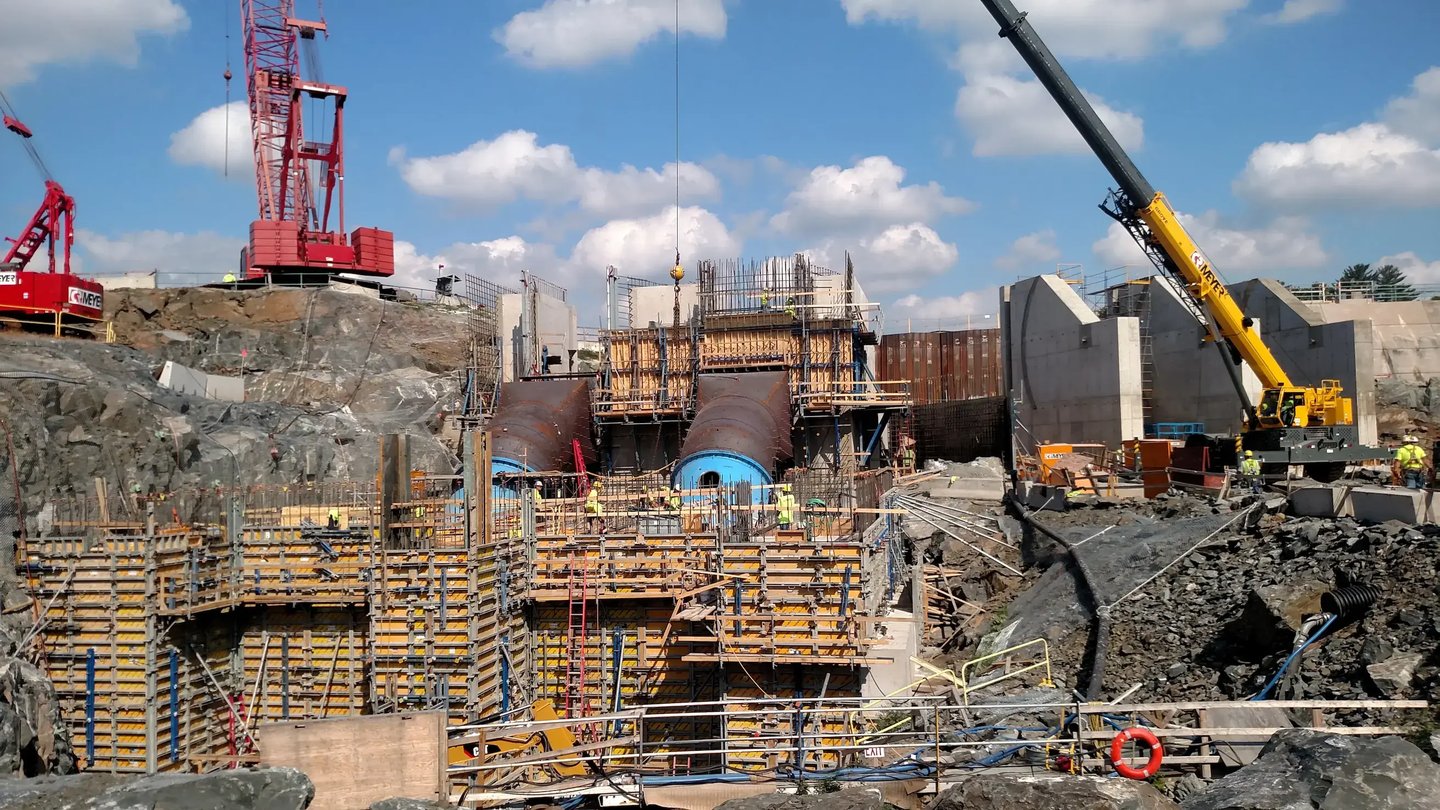
Few Environments Carry the Operational Demands of Power Generation

Turbines, generators, penstock systems, switchgear, cooling infrastructure …  the mechanical and electrical systems that define power generation and hydro facilities are tightly integrated, consequence-critical, and unforgiving of contractor errors. CR Meyer brings the self-perform concrete, mechanical and electrical capability, the safety culture, and the outage execution these environments demand.

What Makes Power Generation and Hydro Facilities Different?

Power generation and hydro facilities aren’t standard industrial environments. The stakes are higher, the systems are more tightly integrated, and the consequences of contractor errors extend well beyond the plant:

What Types of Work Does CR Meyer Perform at Power Generation and Hydro Facilities?

WHY SELF-PERFORMANCE MATTERS IN POWER GENERATION

Why Does Self-Performance Matter in Power Generation Environments?

In power generation and hydro facilities, the coordination between mechanical and electrical trades isn’t a project management preference; it’s a technical requirement. When turbine work, piping modifications, and electrical connections are happening in the same outage window, a subcontractor-dependent model introduces exactly the kind of coordination risk these environments cannot tolerate.

CR Meyer self-performs both mechanical and electrical scopes:
  • One project team coordinates all trades — no handoff between civil, mechanical, and electrical
  • One safety culture governs every crew in your facility, consistent with the compliance frameworks that govern utility operations
  • Outage schedules are managed from within — sequencing decisions are made by the same team accountable for every scope
Learn more about CR Meyer's self-perform model
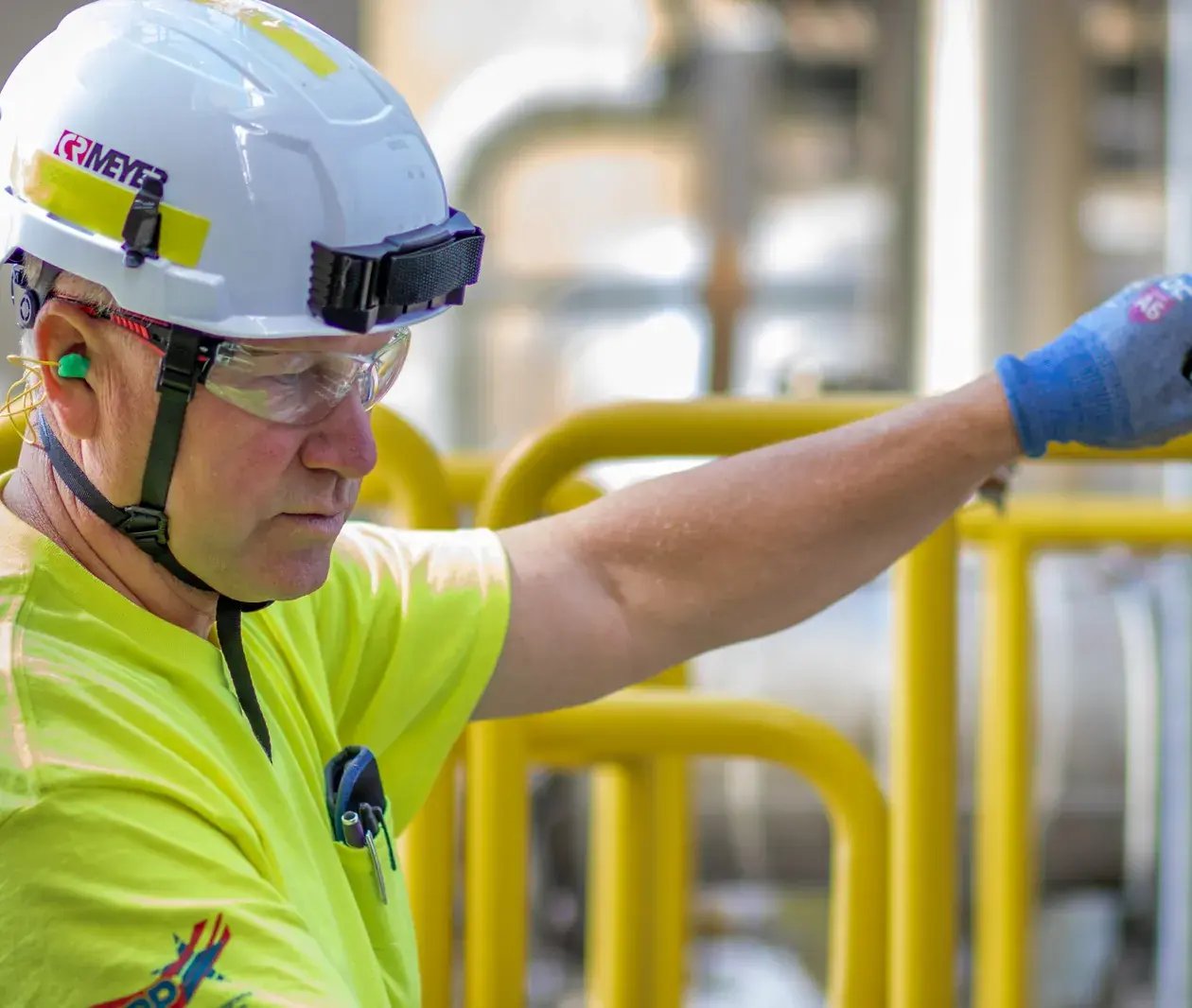
industrial worker operating control panel

How Does CR Meyer Navigate the Compliance Requirements of Power Generation Environments?

Power generation and hydro facilities impose compliance requirements on contractors that most industrial environments don't. Work must be planned, permitted, and documented to standards that satisfy both facility safety teams and the regulatory frameworks governing utility operations. Contractors who treat those requirements as administrative overhead rather than operational discipline create risk — for the facility and for the project.

CR Meyer's approach is to plan for compliance from the start, not manage it as an afterthought when regulatory review approaches.

In practice, that means site-specific safety plans developed in coordination with facility operations and safety leadership before crews mobilize. It means pre-task planning that accounts for energized systems, lockout/tagout requirements, and confined space protocols specific to each facility. It means documentation standards that satisfy the record-keeping requirements these environments impose. And it means project teams with direct experience working within the permitting and operational protocols that govern utility and power generation work.

For work on pressure vessels and boiler systems — a common scope in power generation facilities — CR Meyer holds R, S, and U stamps from the American Society of Mechanical Engineers, the certifications that govern pressure vessel fabrication and repair in regulated utility environments. That credentialing isn't administrative; it's what legally authorizes the work.

The result is a contractor whose compliance discipline matches the regulatory environment it's working in — not one that needs to be managed through it.

Power Generation Experience Backed by a 135-Year Track Record

CR Meyer's history in power generation stretches back to the hydroelectric projects of the mid-twentieth century, a period of significant investment in generating infrastructure across the Upper Midwest. That history has continued through decades of utility and power generation work, supported by a self-perform model and safety culture that have deepened with every project.

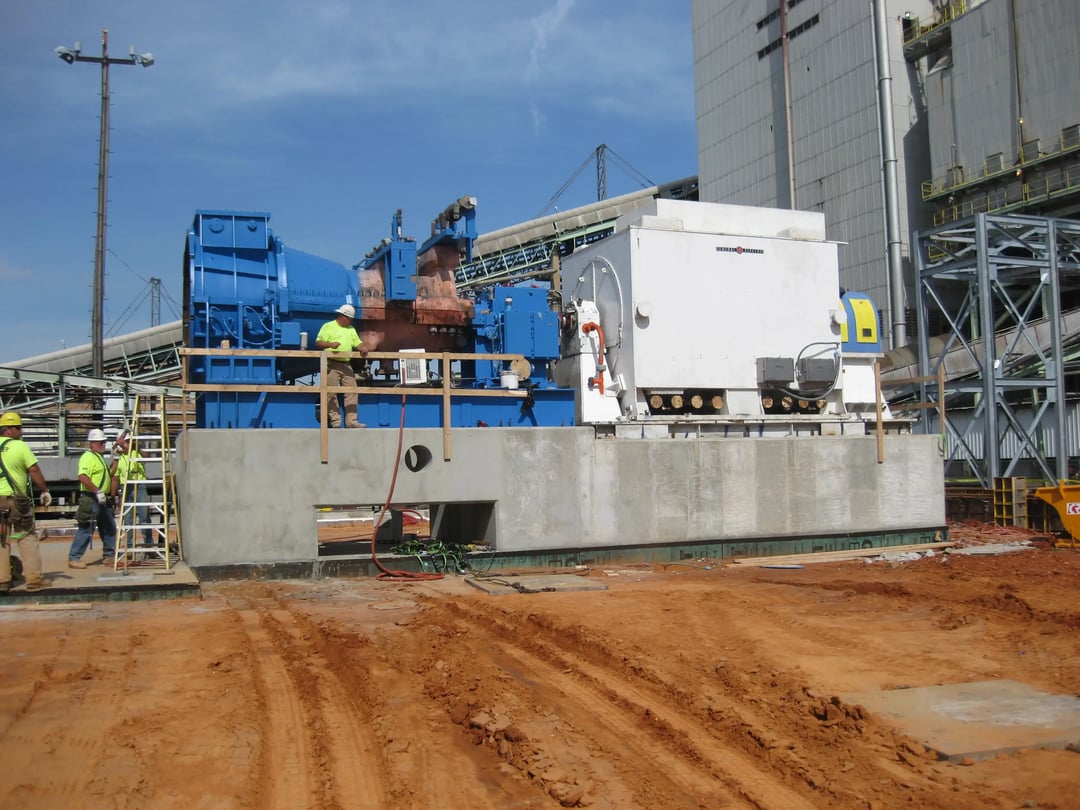
“CR Meyer installed a 20 MW Gas Turbine and Heat Recovery Steam Generator, along with associated foundations, piping, and electrical systems — a project that required precise mechanical and electrical coordination in a live energy infrastructure environment.”

CR Meyer Project Reference, Florida
What types of power generation and hydro projects does CR Meyer perform?
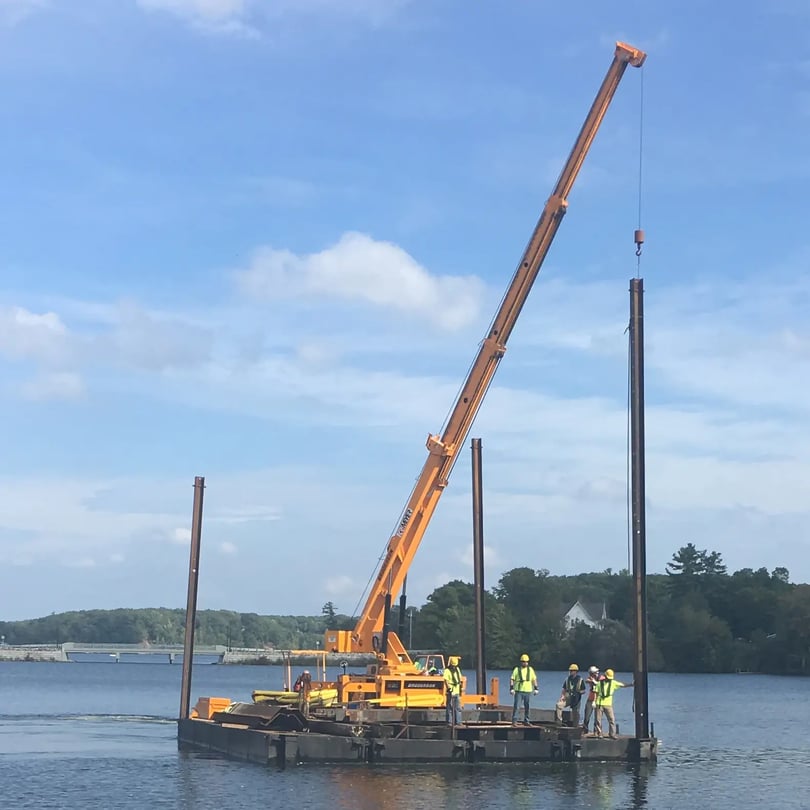
CR Meyer performs construction, installation, and maintenance work at hydroelectric facilities, gas turbine plants, and other power generation infrastructure. Work includes equipment installation, millwrighting, piping, electrical, structural work, and planned outage support across generating assets of varying scale and configuration.
Does CR Meyer work on both hydroelectric and gas turbine generation facilities?
Yes. CR Meyer has experience at both hydroelectric facilities and thermal and gas turbine generating stations. The mechanical and electrical complexity of each environment is different, but CR Meyer's self-perform model and project coordination capabilities apply across both.
How does CR Meyer handle planned outages at utility facilities?
Planned outages at power generation facilities operate under fixed return-to-service dates that aren't negotiable. CR Meyer plans outage work with that constraint as the governing factor — sequencing trades, pre-positioning materials, and coordinating scopes so that the work completes within the available window. Because CR Meyer self-performs critical trades, schedule adjustments during the outage stay inside the project team rather than requiring coordination across multiple contractors.
What compliance frameworks does CR Meyer work within at power generation facilities?
CR Meyer works within the regulatory and safety frameworks applicable to power generation facilities, including NERC requirements and utility-specific safety and access protocols. Their crews are trained and qualified to work in these environments, and safety planning is built into every project before work begins.
Why does self-performing mechanical and electrical trades matter in power generation?
Power generation equipment operates under demanding conditions where precision installation directly affects reliability and output. When the contractor self-performs both mechanical and electrical trades, the crews working on those interdependent systems are coordinated by the same project leadership. That reduces the handoff errors and communication gaps that are most likely to affect equipment performance after startup.

Have a Power Generation or Hydro Project That Requires the Right Contractor?

Let's talk about the scope, the outage window, and what CR Meyer can bring to your facility.

Whether you're planning a major capital project, preparing for a scheduled outage, or looking for a maintenance contractor with genuine utility experience, CR Meyer has the mechanical and electrical capability, the safety culture, and the coordination discipline to deliver. Tell us about your project and we'll put the right team together.